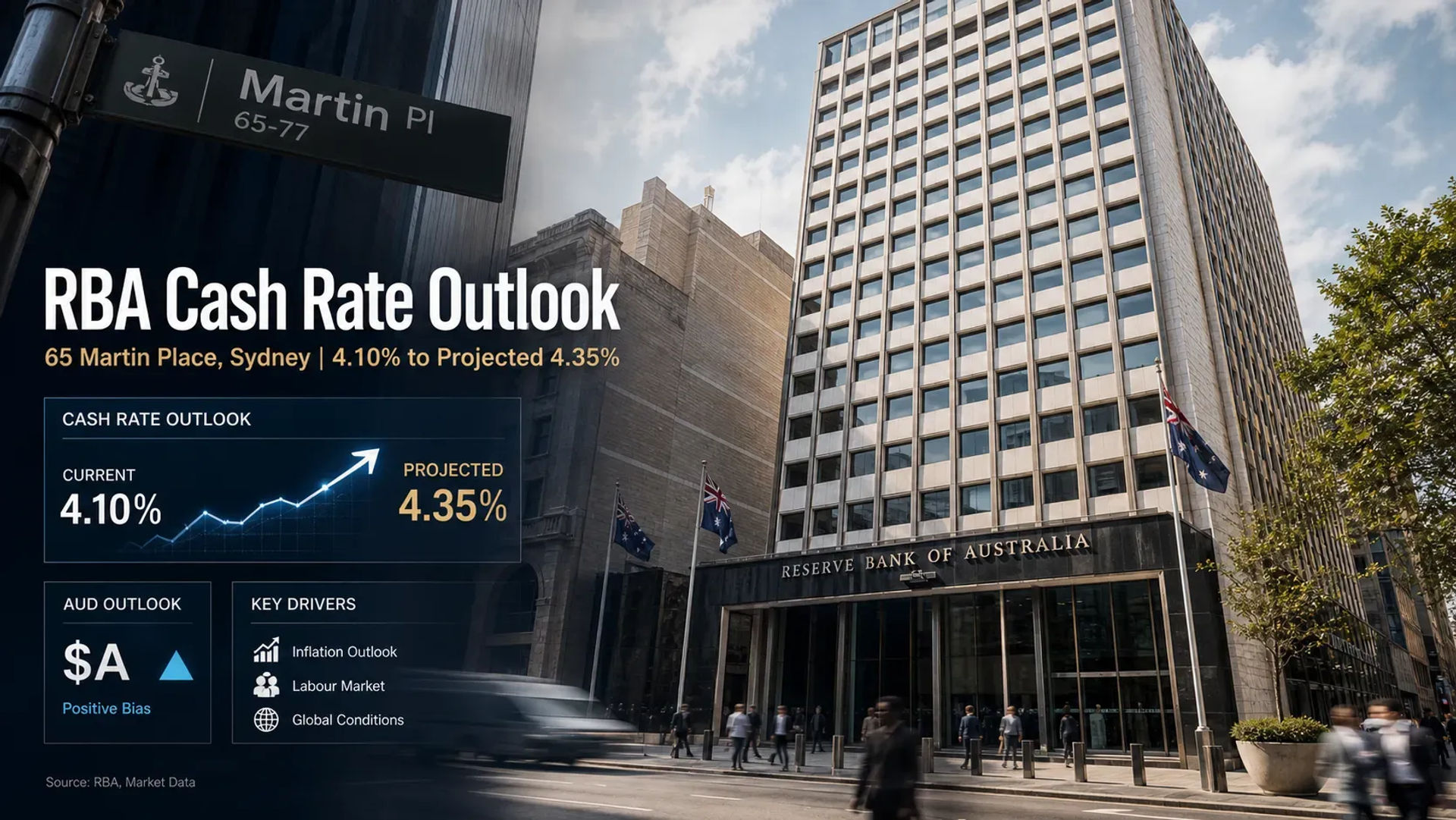
Australia Faces Tightening Cycle as Inflation Persists and GDP Growth Moderates
The Australian economy is navigating a complex period of moderate growth and persistent inflationary pressure as it moves through the second quarter of 2026. According to the latest data from the International Monetary Fund (IMF) and Fitch Ratings, the nation’s economic trajectory is being shaped by a combination of global geopolitical instability and a domestic labour market that remains remarkably tight despite rising interest rates.
Divergent Growth Forecasts
Economic observers are closely monitoring the slight divergence in growth projections for the 2026 calendar year. In its April 2026 World Economic Outlook, the IMF revised its real GDP growth forecast for Australia down to 2.0%, a marginal decrease from its previous 2.1% projection. This adjustment reflects the cumulative impact of restrictive monetary policy and a cooling of domestic demand.
Conversely, Fitch Ratings maintains a more optimistic outlook, reaffirming its forecast of 2.4% GDP growth on May 1, 2026. Meanwhile, Deloitte Access Economics has provided a more conservative estimate, forecasting the economy to grow by 1.9% for the 2026-27 financial year. These figures suggest that while Australia is avoiding a technical recession, the pace of expansion is significantly below historical averages as the economy adjusts to higher borrowing costs.

The Inflation Challenge and the RBA’s Response
Inflation remains the primary concern for policymakers. The IMF projects Australia’s inflation rate to reach 4.0% in 2026, a figure that exceeds those of most other advanced economies. This persistence is largely attributed to external shocks, specifically the ongoing conflict in the Middle East, which has driven global energy prices higher and complicated the Reserve Bank of Australia’s (RBA) efforts to return inflation to its 2-3% target range.
Contrary to earlier market hopes for monetary easing, the RBA has maintained a hawkish stance throughout the early months of the year. After increasing the cash rate to 3.85% in February 2026 and further to 4.10% in March, the central bank appears prepared for additional tightening. Economists at NAB and ANZ currently expect the RBA to implement a further 25 basis point hike during its May meeting. Westpac has issued an even more aggressive forecast, suggesting the cash rate could peak at 4.85% by August 2026 as the bank struggles to contain price growth.

Labour Market Resilience and Consumer Sentiment
Despite the tightening of financial conditions, Australia’s labour market has shown significant resilience. The national unemployment rate held steady at 4.3% in March 2026. Looking ahead, the IMF forecasts unemployment to settle at 4.2% for the year, while Fitch Ratings anticipates a slightly higher rate of 4.5% through 2026 and 2027.
However, this low unemployment has not translated into consumer confidence. In April 2026, consumer sentiment plummeted to 80.10 points, a sharp decline from the 91.60 points recorded in March. This drop brings sentiment near historical lows, reflecting the severe strain on household budgets caused by the dual pressures of rising fuel prices and increased mortgage repayments. The 'cost-of-living' crisis is no longer a forecast but a daily reality for millions of Australians, leading to a significant pullback in discretionary spending.
Related Articles

Comments
0Loading...
No comments yet. Be the first to share your thoughts.

