NZ
Economy
Latest New Zealand economy news and updates

OpinionEconomy
Beyond the NZX50: Why Smaller, Regional NZ Businesses Might Be the Unsung Heroes of 2026
While global volatility drags down the main NZX50 index, New Zealand's regional economies are staging a quiet recovery. Driven by strong primary sector returns and resilient local SMEs, the provinces are proving to be the real engine of the country's economic survival in 2026.

Economy
Westpac Releases Downbeat June 2026 Consumer Update Highlighting Spending Slowdown and OCR Hikes
Westpac New Zealand's June 2026 Consumer Update shows household spending has slowed sharply, with per-person retail card spending down by 0.3% in May, prompting forecasts of three RBNZ OCR hikes to combat persistent inflation.
Economy
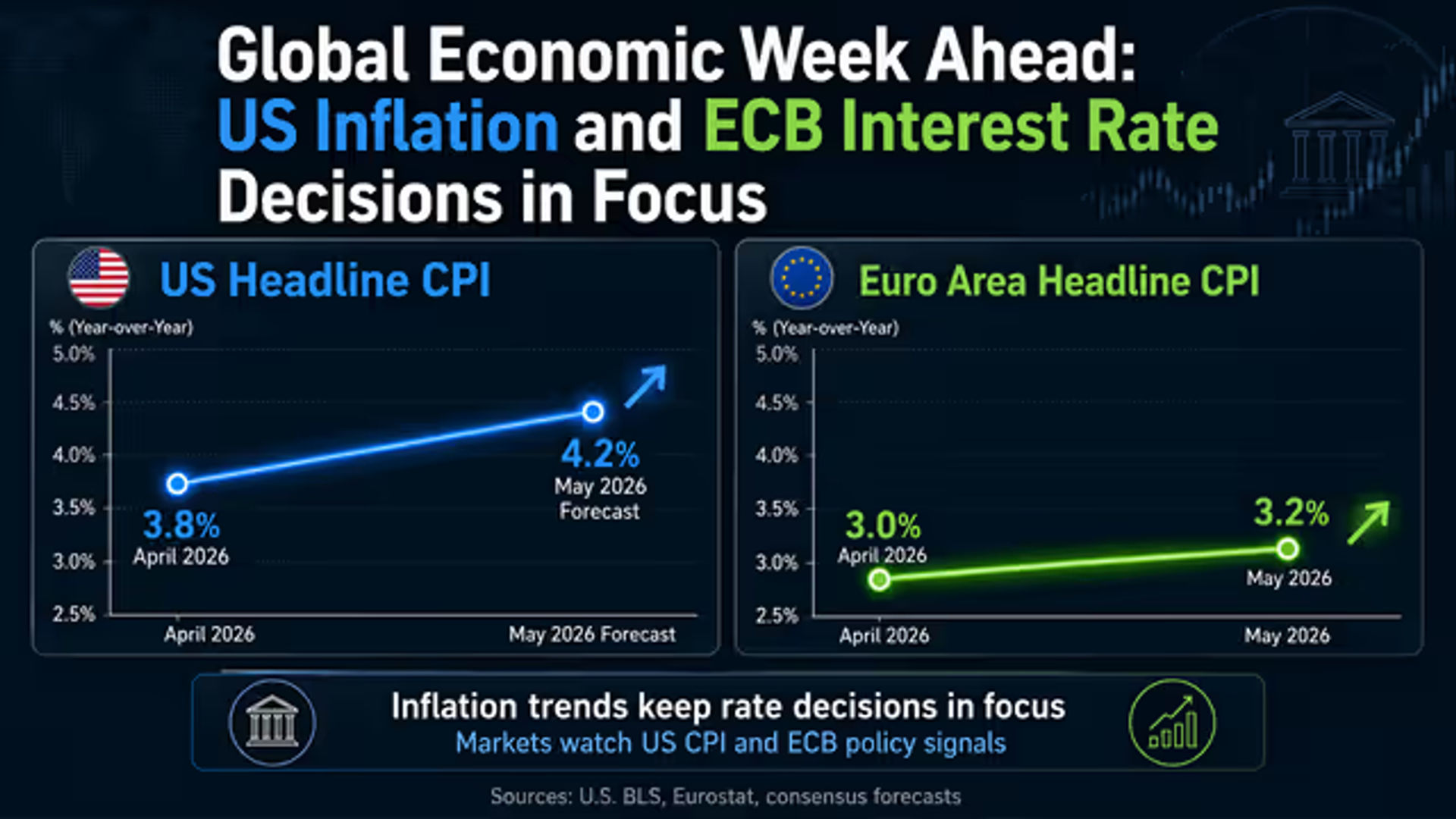
Global Economic Week Ahead: US Inflation and ECB Interest Rate Decisions in Focus
A crucial week lies ahead for global markets as May inflation figures in the US are forecast to rise to 4.2%, and the European Central Bank moves toward a 25 basis point rate hike.
OpinionEconomy
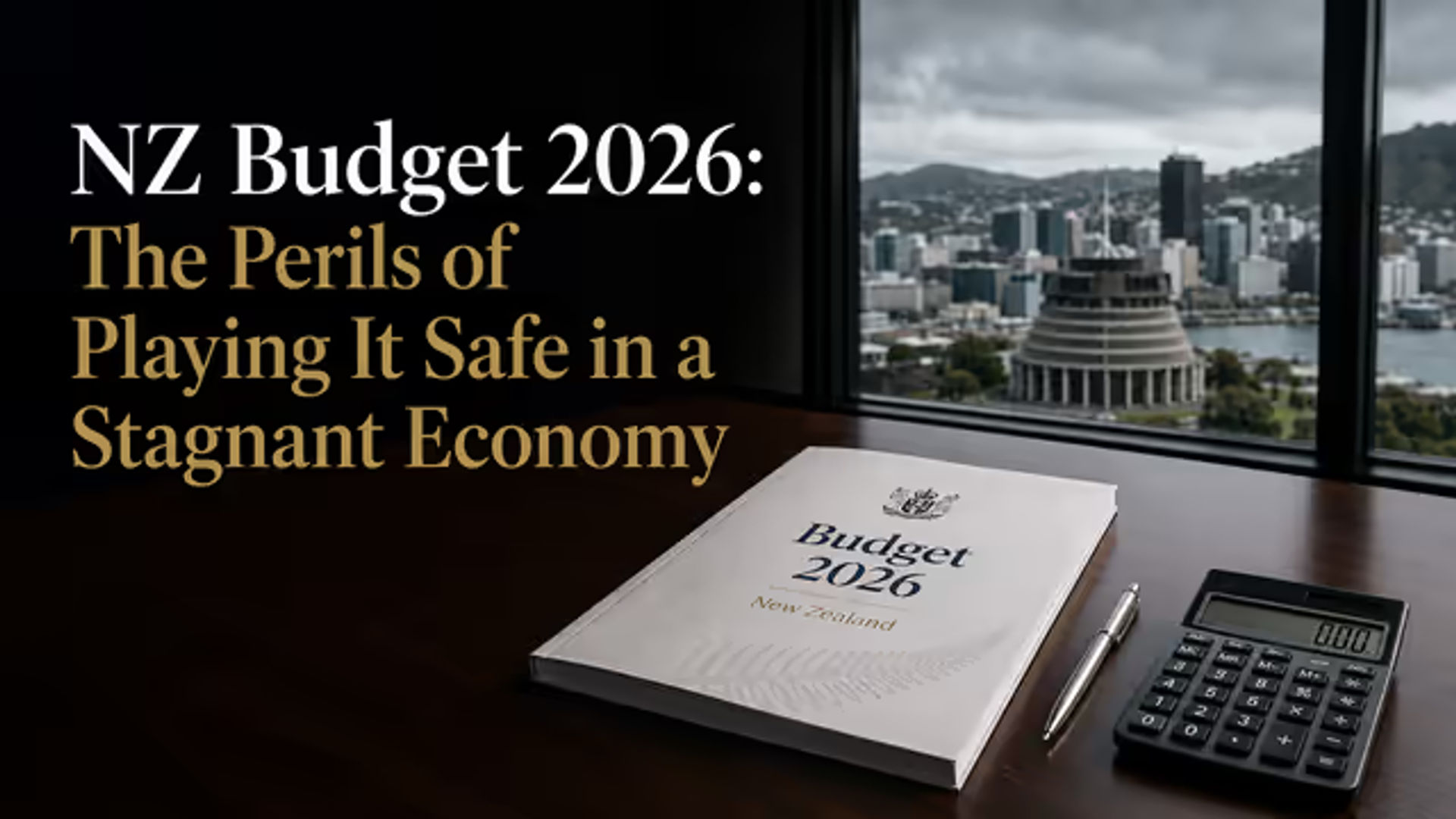
NZ Budget 2026: The Perils of Playing It Safe in a Stagnant Economy
New Zealand's Budget 2026 prioritises fiscal discipline and targeted relief, aiming for an earlier return to surplus. However, this cautious approach risks stalling broader economic growth at a time when businesses and workers need a real engine for recovery.

Economy
New Zealand Exports Hit Record $8.6 Billion in April Driving Historic Trade Surplus
New Zealand exports climbed to a record $8.6 billion in April 2026, delivering a historic $1.9 billion trade surplus. Strong international demand for meat, gold, dairy, and crude oil offset rising global economic uncertainties.

Economy
New Zealand Retail Spending Contracts as Electronic Card Transactions Fall 1.3 Percent
New Zealand retail spending via electronic cards dropped 1.3 percent in April 2026, as consumers cut back on consumables, hospitality, and fuel. The total value of electronic card transactions across all industries fell by $160 million.

Economy
Middle East Conflict Impacts New Zealand Fuel Prices and Economic Outlook
New Zealand officials are monitoring fuel supplies as petrol prices rise 33.6% and diesel 94.9% following conflict in the Middle East. Global oil prices hit US$102.40 per barrel as supply chain risks grow.

Economy
New Zealand Population Growth Accelerates to 0.8% as Citizen Exodus Slows
New Zealand's population grew by 0.8% in the year to March 2026, reaching 5,361,300. The increase was driven by a net migration gain of 24,300 and a significant slowdown in the departure of New Zealand citizens.

Economy
New Zealand Manufacturing Growth Stalls Amid Rising Supply Chain Costs
New Zealand's manufacturing sector slowed significantly in April 2026, with the PMI dropping to 50.5. Escalating costs linked to Middle East conflict are impacting supply chains and new orders.

Economy
New Zealand Returns to Trade Surplus in March as Exports Hit Record High
New Zealand achieved a merchandise trade surplus of NZD 0.70 billion in March 2026, a significant turnaround from the previous year's deficit. Record exports of NZD 7.9 billion were driven by strong demand for precious metals and fruit.

Economy
OECD Urges Energy Reforms to Address Structurally High Electricity Prices
The OECD has identified structurally high electricity prices as a major barrier to New Zealand's economic growth, calling for urgent reforms to the energy market and firming capacity.

Economy
New Zealand Unemployment Rate Falls to 5.3% in First Quarter
New Zealand's unemployment rate fell to 5.3% in the first quarter of 2026, outperforming economist expectations of 5.4%. While employment rose by 0.2%, the participation rate saw a slight decline to 70.4%.

Economy
KiwiSaver rate hike and fuel costs squeeze small business margins
New Zealand small businesses are facing a dual financial squeeze as KiwiSaver employer contributions rise to 3.5% alongside surging fuel costs. Recent data shows 17% of SMEs have less than a month of cash reserves, raising concerns about future hiring and wage growth.

Economy
New Zealand Business Confidence Recedes as Energy Cost Shock Hits Supply Chains
New Zealand business confidence fell to -10.6 in April 2026 as record fuel price hikes following Middle East conflict impacted profit expectations and inflation outlooks.

Economy
Geopolitical Shock Sends New Zealand Business Confidence Into Negative Territory
New Zealand business confidence plummeted to -10.6 in April 2026, a 43-point swing from March, as Middle East conflict and fuel supply disruptions trigger a sharp cost shock.