New Zealand Government Confirms Abolition of Final-Year Fee-Free University Scheme
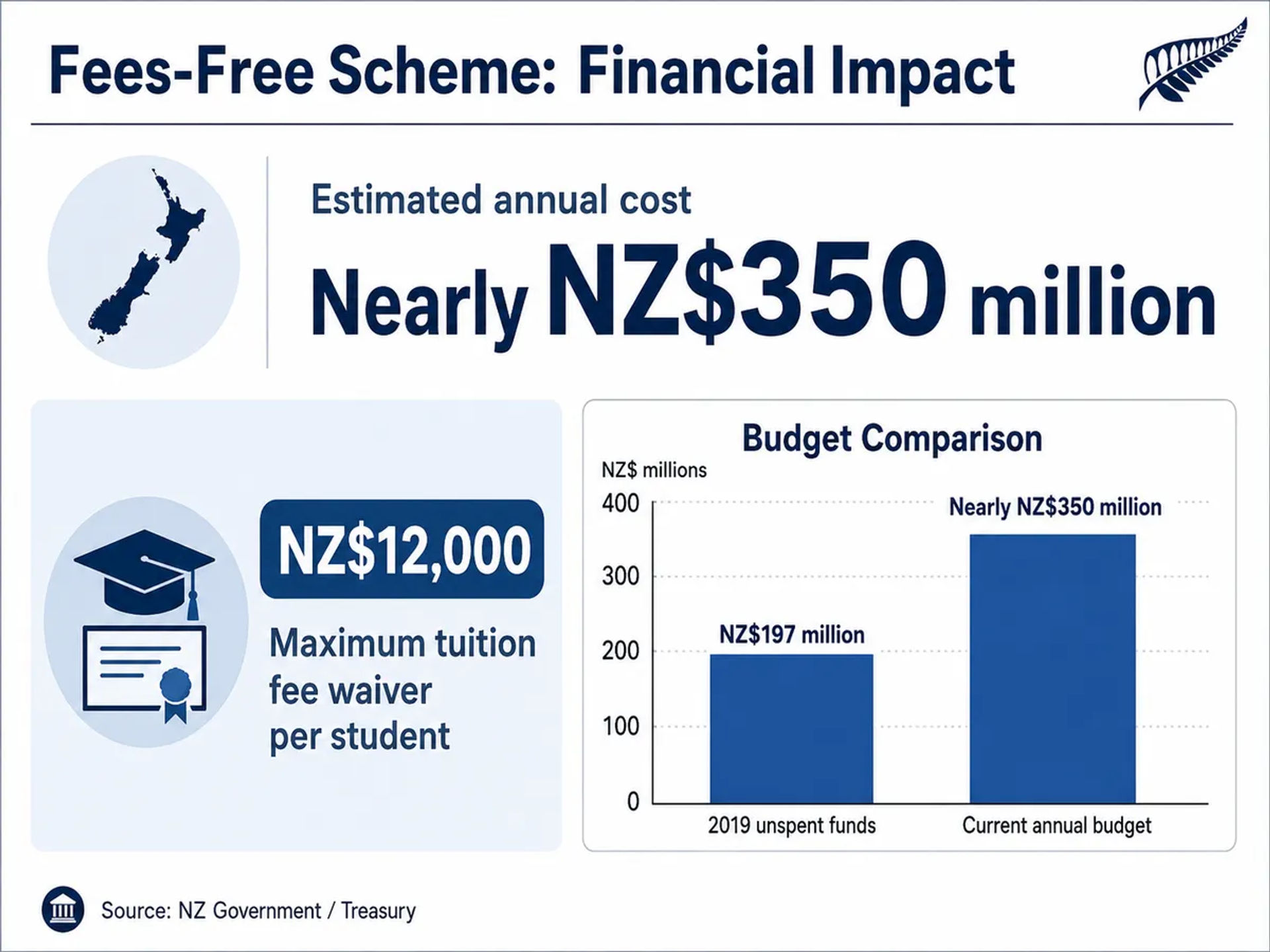
The New Zealand Government has officially confirmed its intention to dismantle the final-year fee-free university scheme, marking the end of a policy that has undergone significant structural changes since its inception. This year’s cohort of students will be the final group eligible to receive the support, which currently provides a maximum tuition fee waiver of up to NZ$12,000 per student. The formal conclusion of the programme is expected to be a central component of the Budget 2026, which is scheduled for release on May 28, 2026.
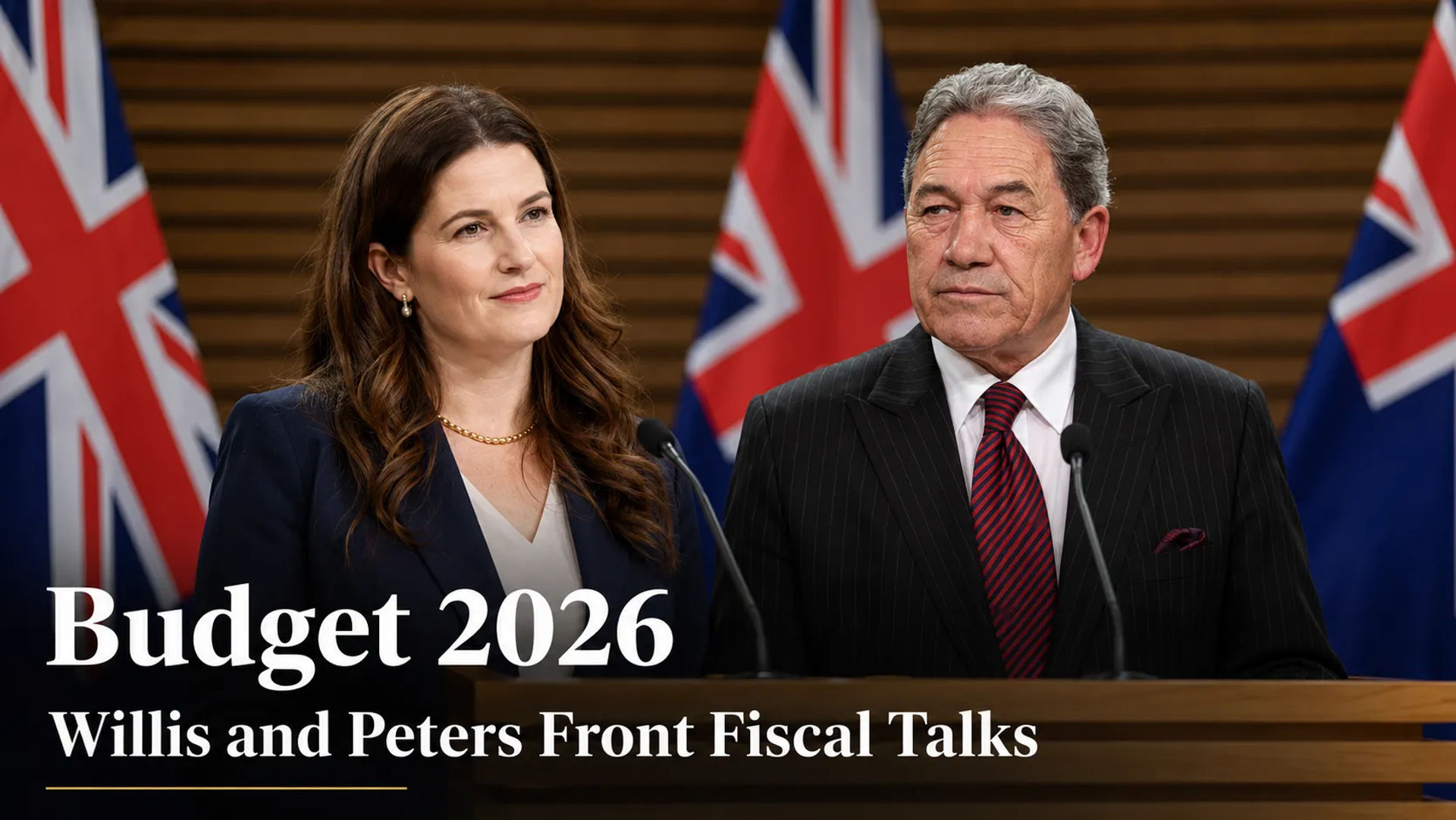
The decision to end the scheme follows a period of internal coalition review and a re-evaluation of the policy’s effectiveness in achieving its original goals. Leaders within the coalition government have articulated a clear shift in fiscal priorities, moving away from universal tertiary subsidies toward more targeted educational investments. New Zealand First leader Winston Peters disclosed the plan on May 9, 2026, characterising the expenditure as wasteful spending that failed to deliver the intended outcomes for the tertiary sector. This position was subsequently confirmed by Finance Minister Nicola Willis, who noted that the decision was a direct result of ongoing coalition negotiations aimed at refining the national budget.
Fiscal Rationale and Policy Evolution
The fee-free university scheme was initially introduced in 2018 by the previous Labour Government, with the primary objective of increasing participation in higher education by covering the costs of the first year of study. However, the policy faced challenges regarding uptake and resource allocation early in its lifecycle. In 2019, the Treasury New Zealand and the Ministry of Education saw $197 million in unspent fees-free funds redirected due to lower-than-anticipated student numbers.
Upon taking office, the current coalition government sought to reform the programme to better align with completion rates rather than just initial enrolment. On January 1, 2025, the policy was revised to cover the final year of tertiary education instead of the first. This shift was intended to disincentivise dropouts and reward students who successfully reached the conclusion of their degrees. Despite this adjustment, ACT Party leader and Deputy Prime Minister David Seymour stated that the policy continued to carry an annual cost of nearly $350 million without significantly improving access for students from less privileged backgrounds.
Data on Student Participation and Equity
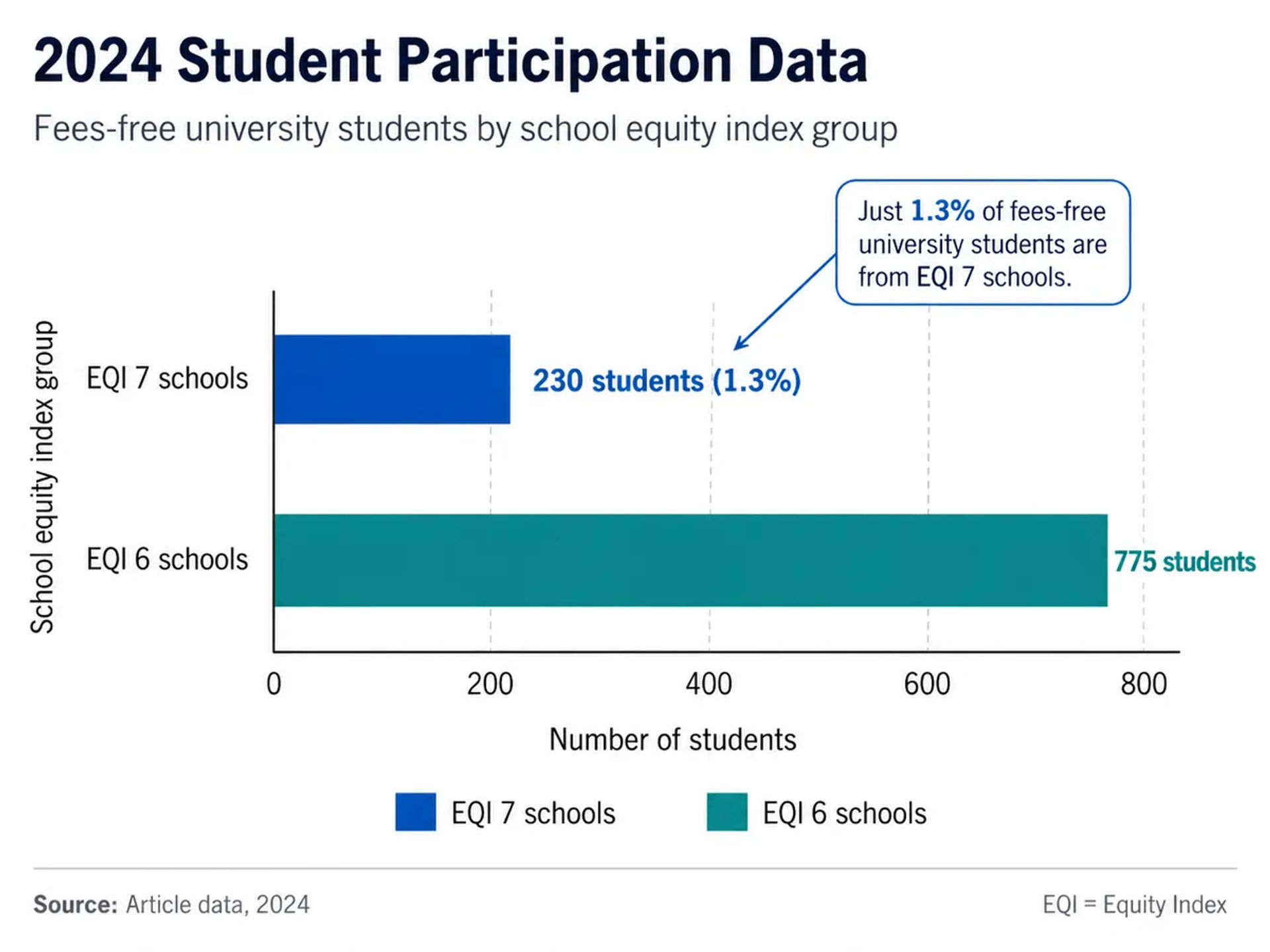
Internal analysis and data from the Tertiary Education Commission (TEC) have highlighted a persistent trend where the scheme disproportionately benefited students from wealthier socio-economic backgrounds. In 2024, data indicated that students from high-equity index schools were the primary beneficiaries of the waiver. Specifically, only 1.3% of fees-free university students, or 230 students, came from EQI 7 schools, which represent some of the most disadvantaged communities. In contrast, 775 students from EQI 6 schools utilised the scheme during the same period.
Related Articles


Comments
0Loading...
No comments yet. Be the first to share your thoughts.

