
A Dangerous Streamlining: Why the FMA Takeover of NZ Lending Laws Risks Swapping Consumer Safety for Corporate Ease
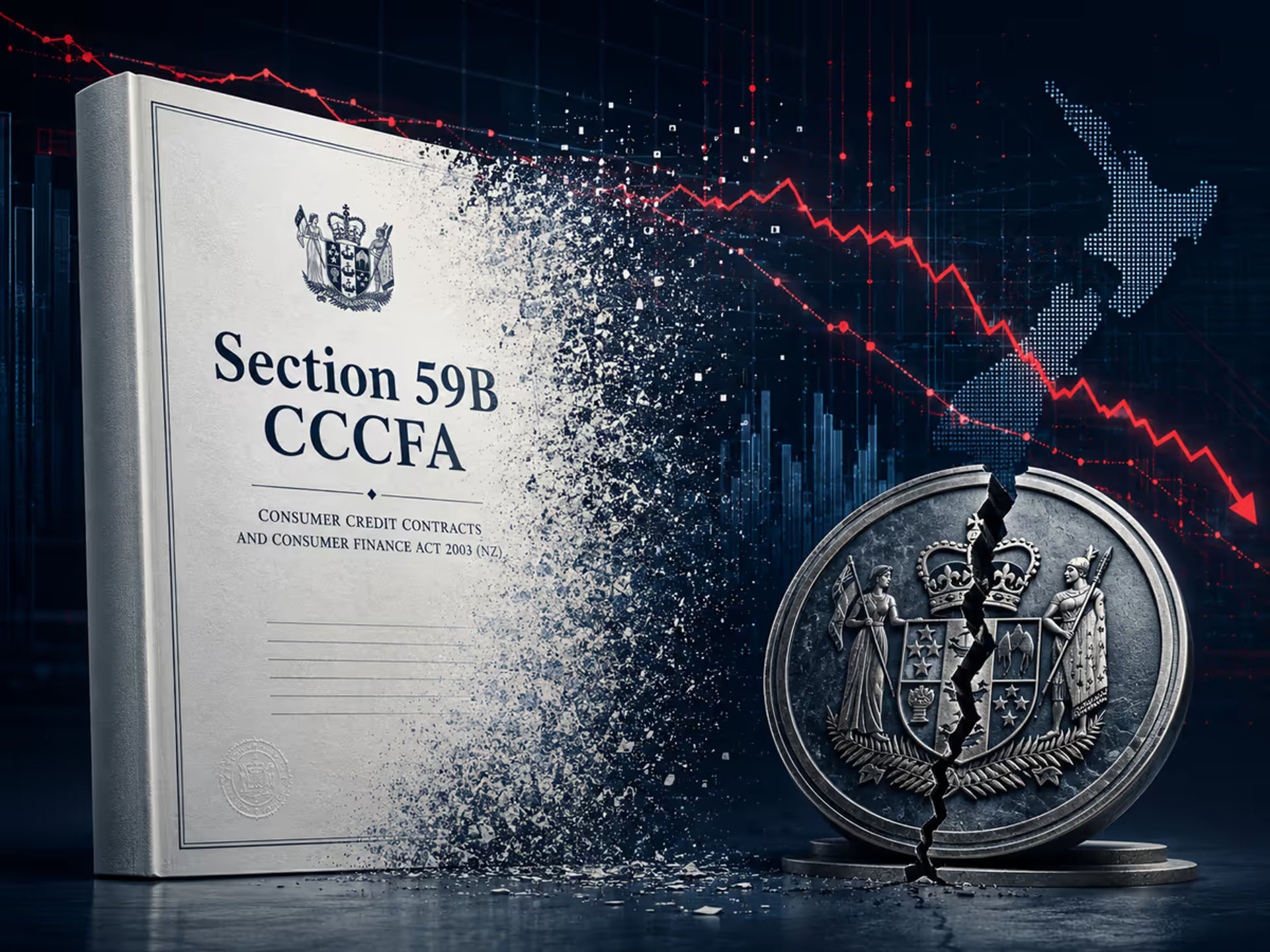
The seductive narrative of "streamlining" has once again triumphed in New Zealand’s policy corridors, but we must ask at what cost. On May 30, 2026, Parliament passed the third reading of the Credit Contracts and Consumer Finance Amendment Bill, signaling a dramatic shift in how consumer credit is regulated in this country. From July 1, 2026, the Commerce Commission will officially hand over its regulatory duties under the Credit Contracts and Consumer Finance Act (CCCFA) to the Financial Markets Authority (FMA). Alongside this regulatory migration, the government has repealed the personal due diligence duty for directors and senior managers of lending firms—a rule previously anchored under section 59B of the CCCFA.

We are told this is a victory for common sense, a necessary correction to a system that had become slow and overly intrusive. But as the ink dries on this legislation, we must look beyond the promises of faster loan approvals and cheaper credit. This reform is not a balanced win-win for the market; rather, it is a significant dilution of executive accountability disguised as administrative efficiency. By stripping away personal liability for the captains of the financial sector, we risk turning back the clock on consumer protection.
The Illusion of Frictionless Finance
There is no denying that the previous iteration of the CCCFA, ushered in under the former Labour government, was highly unpopular with lenders. It turned what should have been straightforward mortgage and personal loan applications into invasive forensic audits. Commerce and Consumer Affairs Minister Cameron Brewer captured the prevailing frustration when he argued that the old regime made accessing credit needlessly difficult.
"The previous CCCFA rules led to lending becoming harder, slower, and more frustrating, resulting in intrusive checks and increased costs for consumers and lenders."
This argument has been the Trojan horse for dismantling robust consumer safeguards. By framing the issue purely around consumer convenience—arguing that everyday New Zealanders were locked out of the property market or denied small loans because of bureaucratic red tape—the government has successfully justified a sweeping deregulation of lender responsibility. But we must distinguish between cutting administrative red tape and dismantling systemic accountability. Making credit easier to obtain is a double-edged sword; if those who supply credit are not held to the highest standards of care, "easier" credit quickly translates into predatory debt traps for our most vulnerable communities.
Dismantling Executive Accountability
At the core of our concern is the repeal of the personal due diligence duty for directors and senior managers. Under section 59B, the law placed the burden of compliance directly on the shoulders of the individuals running these financial institutions. If a bank or finance company engaged in systemic irresponsible lending, its executives could not simply hide behind the corporate veil; they faced personal liability.
Removing this duty is a massive concession to the financial sector. It signals that executive leadership can enjoy the immense profits generated by consumer credit without bearing the personal professional risk when things go wrong. While the government asserts that this will reduce compliance costs and stimulate a more competitive lending market, we believe it fundamentally weakens the moral hazard framework. When personal liability is removed, the calculation of compliance risks shifts from a matter of personal integrity to a mere line-item expense on a corporate balance sheet.
This concern was echoed by Labour commerce spokesperson Arena Williams, who challenged the integrity of the reforms.
Related Articles


Comments
0Loading...
No comments yet. Be the first to share your thoughts.