
New Zealand Q1 Inflation Holds Steady at 3.1% as RBNZ Braces for Higher Peak
New Zealand's annual inflation rate remained unchanged at 3.1% for the March 2026 quarter, marking the second consecutive quarter that consumer price growth has exceeded the Reserve Bank of New Zealand (RBNZ) medium-term target band of 1-3%. The persistent domestic price pressures, combined with escalating geopolitical risks in the Middle East, have forced monetary policymakers to prepare for a more prolonged campaign against inflation. With business inflation expectations surging and the central bank's leadership deeply divided on the policy path, financial markets are now pricing in a high probability of further interest rate tightening.
Drivers of Persistent Consumer Price Inflation
Data released by Statistics New Zealand on April 21, 2026, showed the Consumer Price Index (CPI) recorded a quarterly CPI increase of 0.9% in the March 2026 quarter. This quarterly movement maintained the annual inflation rate at 3.1%, matching the annual rate recorded in the December 2025 quarter. The persistent rate above the 1-3% target band reflects deep-seated domestic price pressures alongside immediate global commodity shocks.
Several key domestic and international components drove the elevated cost of living during the March 2026 quarter:
- Electricity price increase rose by 12.5% on an annual basis.
- Local authority rates and payments increased by 8.8% over the same annual period.
- Petrol price surged by 3.5% within the single quarter.

These domestic increases have been compounded by geopolitical developments in the Middle East, which escalated on June 8, 2026, causing global crude oil prices to spike. The New Zealand Institute of Economic Research (NZIER) warned on June 2, 2026, that this global fuel crisis could push the annual consumer price index well above 4% in the second quarter. The immediate currency market reaction saw the New Zealand Dollar fall against the United States Dollar on June 11, 2026, dropping 0.44% to 0.5908 as tensions escalated between the United States and Iran.
Monetary Policy Split and Interest Rate Outlook
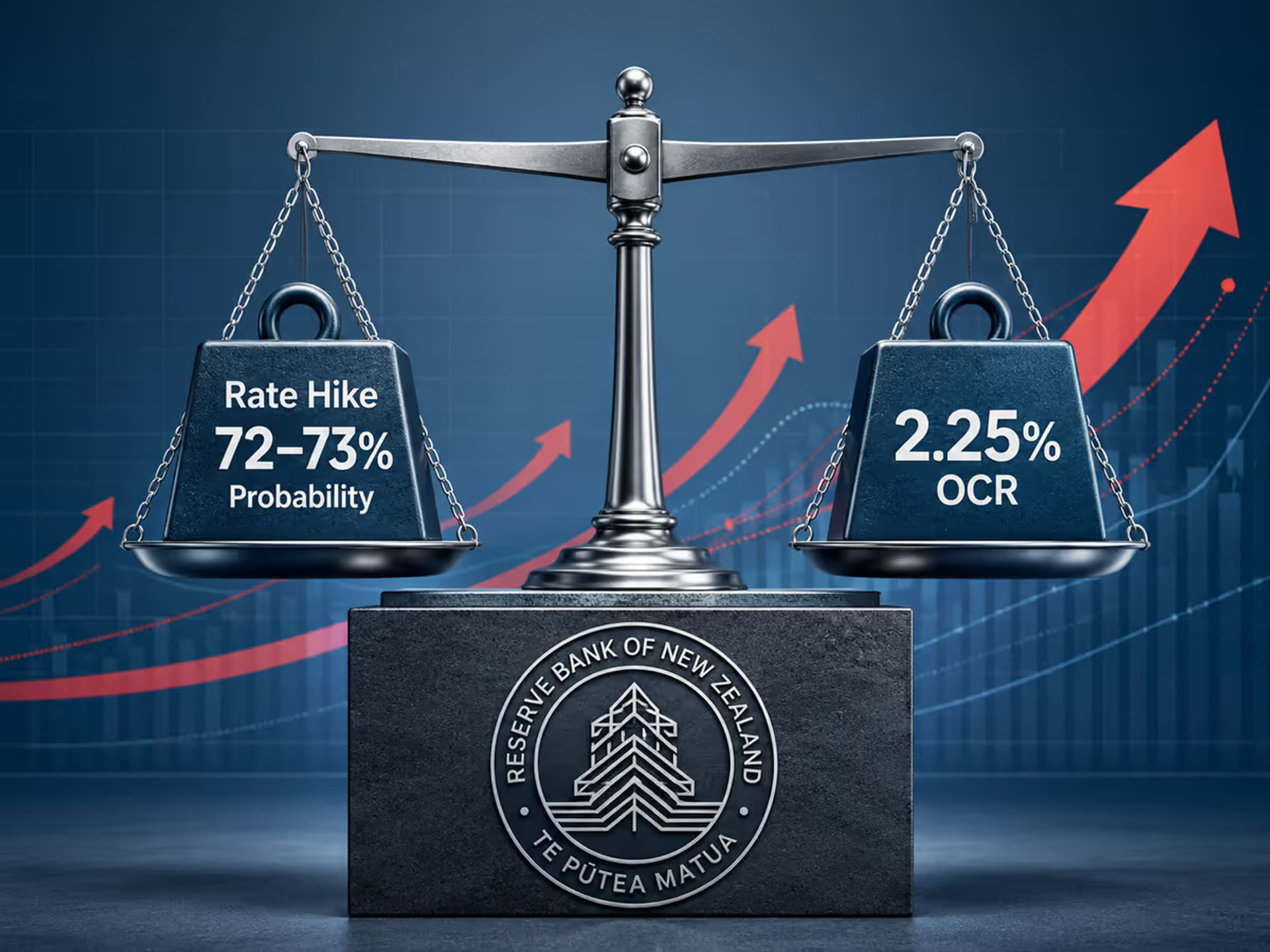
The persistence of inflation above the target band has triggered an intense policy debate within the central bank. At its monetary policy statement on May 27, 2026, the RBNZ held the Official Cash Rate (OCR) steady at 2.25%. However, this decision was reached only after an unprecedented 3-3 split vote among the six members of the Monetary Policy Committee. The deadlock required RBNZ Governor Anna Breman to use her casting decision to keep the OCR unchanged.
This division highlights an increasingly hawkish shift within the central bank, reflecting concerns that temporary price pressures could become embedded in the economy. Governor Anna Breman had previously emphasised on May 19, 2026, that the committee requires sustained evidence of inflation returning to target before any policy easing can be considered.
Related Articles

Comments
0Loading...
No comments yet. Be the first to share your thoughts.

