KiwiSaver Funds Show Mixed Performance in May 2026 Update as Growth Assets Lead Recovery
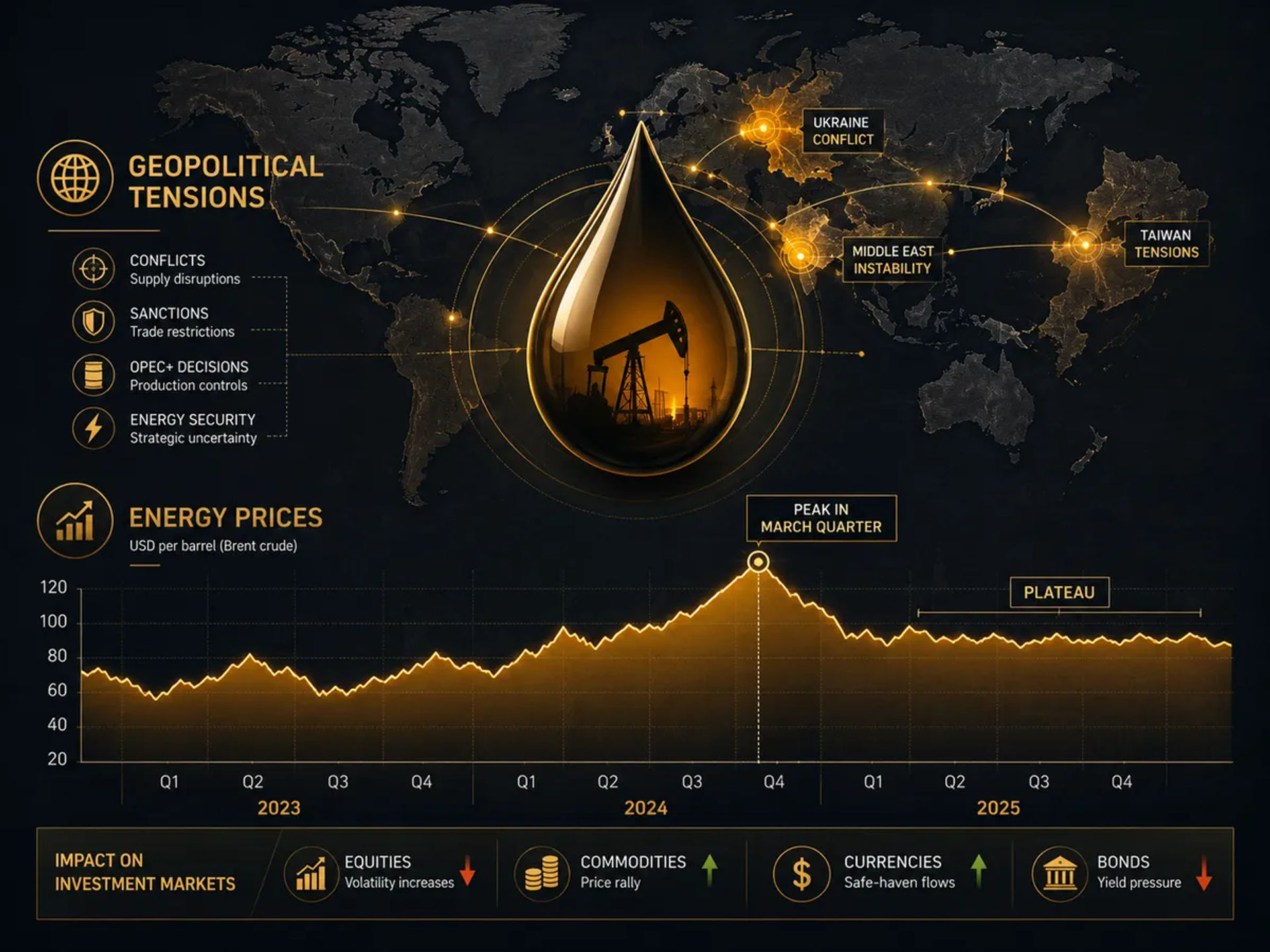
KiwiSaver investment updates for May 2026 show a significant divergence in fund performance, with growth-oriented assets leading a robust recovery following a volatile period in the first quarter of the year. While defensive sectors experienced a period of underperformance, focused growth funds reported substantial rebounds throughout April 2026. This shift comes as global equity markets experienced strong rallies, even as investors continue to monitor elevated energy prices and geopolitical tensions that have influenced market sentiment since the start of the year.
The recovery in growth assets was particularly evident in the performance of the SBS Wealth Focused Growth Fund, which achieved a return of 9.86% for April 2026. This result represents a strong rebound after the volatility seen in the quarter ending March 31, 2026. Similarly, the SBS Wealth High Growth Fund returned 6.22% in April 2026, capitalising on a global rally in growth-oriented assets. In contrast, the SBS Wealth Cash Fund returned 0.17% for the same period, reflecting the broader trend where defensive investment sectors lagged during a 'risk-on' market environment.
Global Market Dynamics and Regional Performance
Global equity markets provided a strong tailwind for KiwiSaver funds in April 2026. The MSCI World Index surged by 9.5% in US dollar terms during the month, marking its strongest monthly gain since November 2020. This momentum continued into early May 2026, with major indices including the S&P 500 and the Nasdaq 100 reaching new record highs. These gains were supported by a ceasefire agreement in the Middle East, which eased immediate fears of escalation, although oil prices remained elevated due to ongoing geopolitical tensions.

Regional performance within the Tasman remained varied. The Australian ASX 300 Index saw a 4% return in April 2026, benefiting from the global appetite for risk. However, the New Zealand share market did not mirror this enthusiasm. The NZX50 performance was near nil or flat for the month of April, as domestic economic challenges and funding costs continued to weigh on local equities. This disparity highlights the impact of geographic diversification within KiwiSaver portfolios, as funds with higher exposures to international and Australian markets outperformed those heavily weighted toward New Zealand stocks.
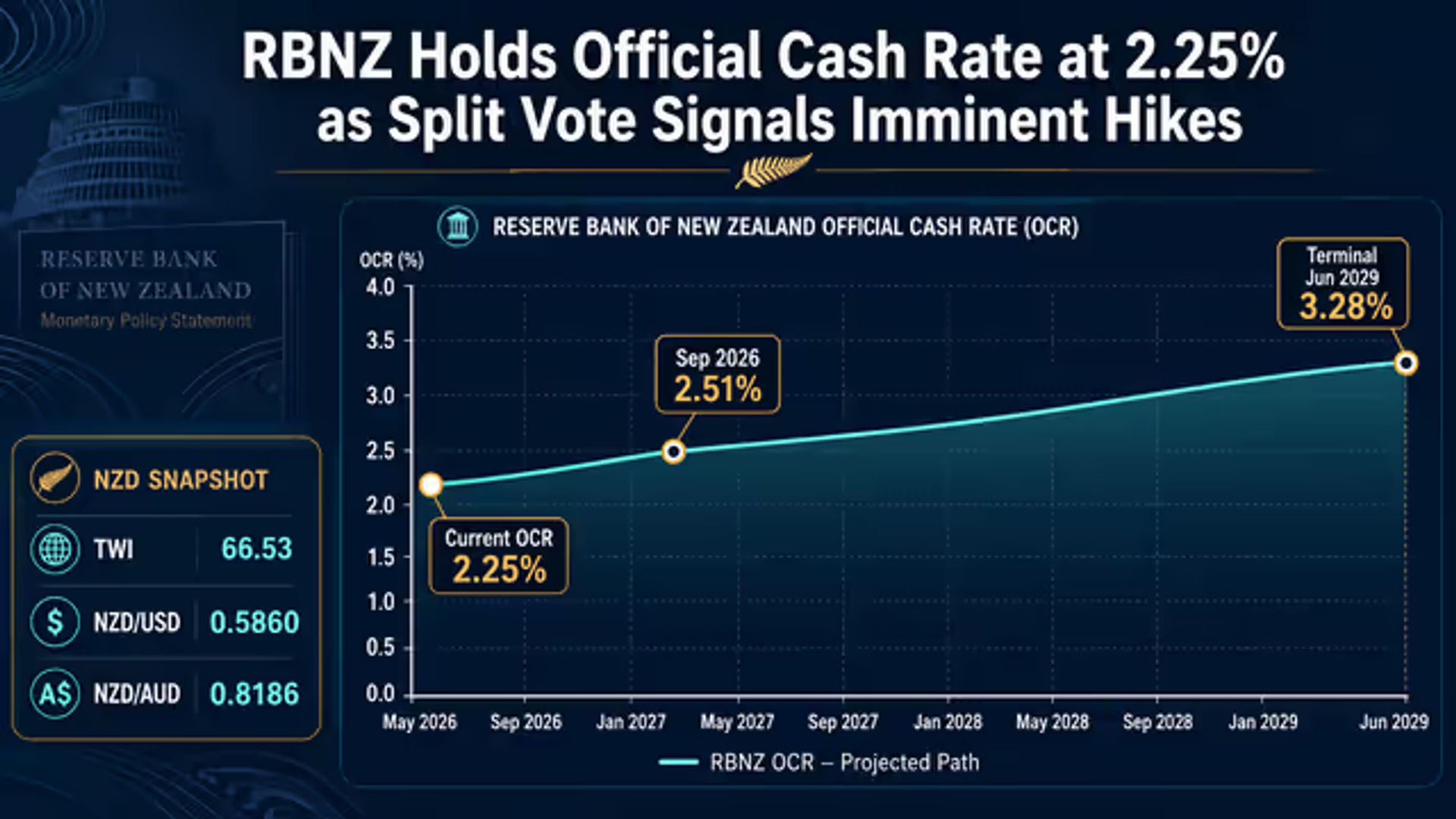
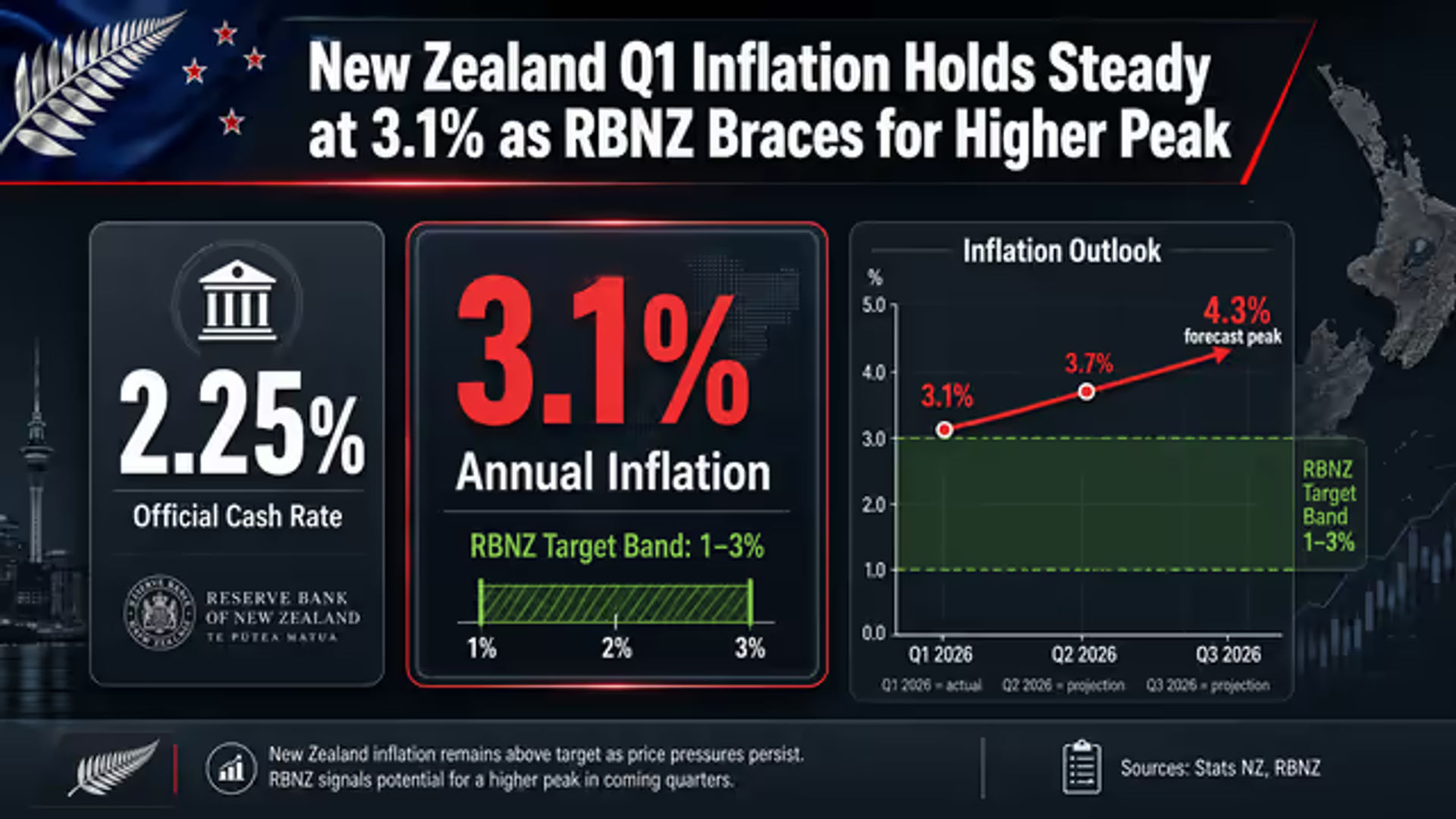
Central bank policies also played a role in stabilising market expectations. The Reserve Bank of New Zealand (RBNZ) and other major central banks maintained steady interest rates during April, adopting a 'wait-and-see' approach to address supply-driven inflation. As of March 31, 2026, the RBNZ Official Cash Rate stood at 2.25%, a level that reflects various cuts implemented over the past year to support the economy.
Structural Changes to KiwiSaver Contributions
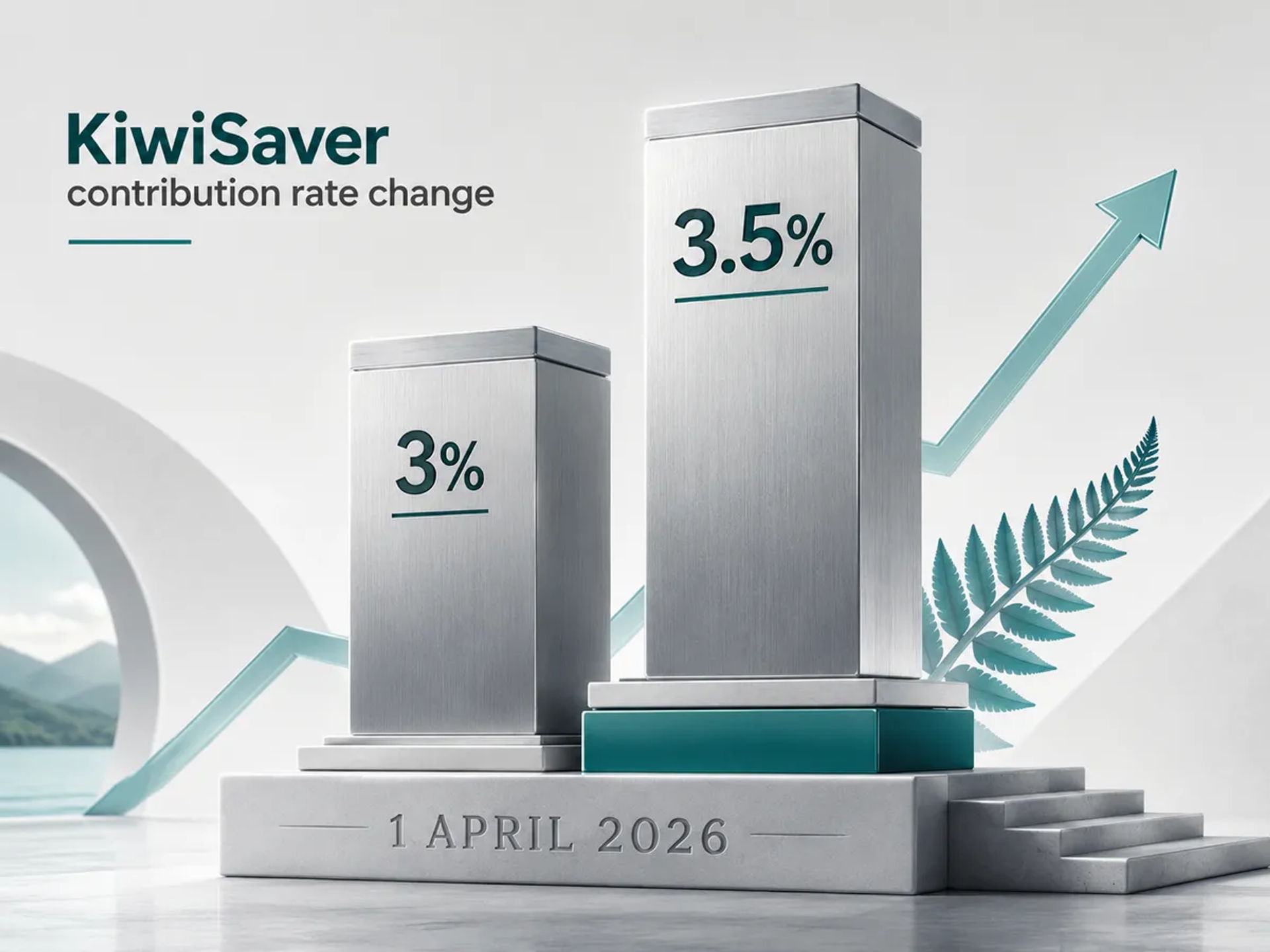
Beyond investment returns, significant structural changes to the KiwiSaver scheme took effect at the start of the current quarter. As of April 1, 2026, the minimum KiwiSaver contribution rate for both employees and employers increased from 3% to 3.5%. This adjustment is designed to enhance the long-term retirement savings of New Zealanders, though it requires a higher immediate contribution from both workers and businesses.
Related Articles
Comments
0Loading...
No comments yet. Be the first to share your thoughts.