Middle East Conflict Impacts New Zealand Fuel Prices and Economic Outlook
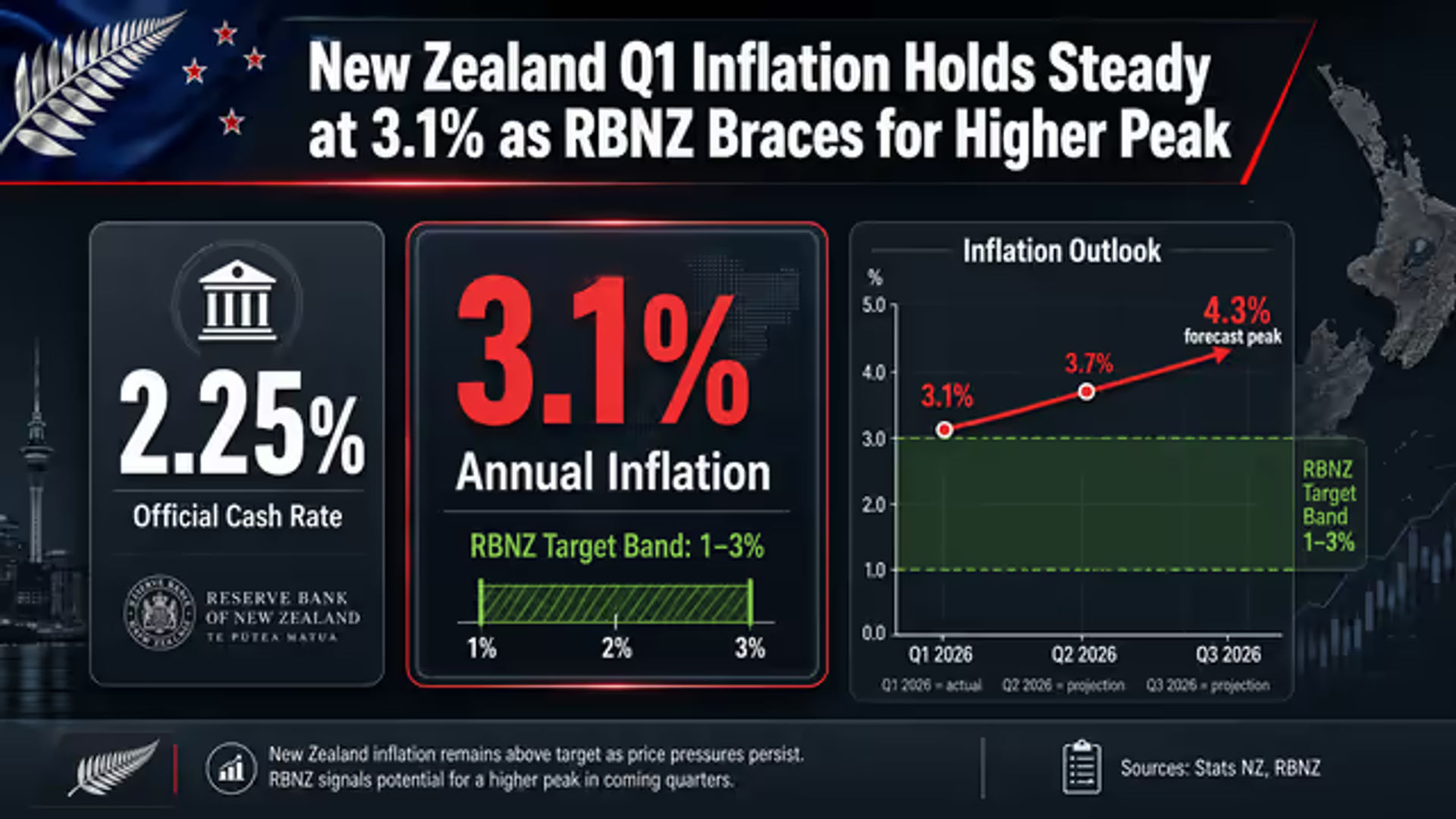
The New Zealand Government is actively monitoring the economic consequences of escalating conflict in the Middle East, as new data reveals growing pressure on domestic fuel prices and international supply chains. While national fuel stocks currently remain stable, significant volatility in global oil markets has led to a sharp increase in the cost of petrol and diesel throughout the country. This upward trend in energy costs is expected to flow through to higher transport and food expenses, impacting New Zealand households and businesses while contributing to a projected inflation spike in the June 2026 quarter.

Data from Stats NZ confirms that petrol prices increased by 33.6% and diesel prices surged by 94.9% in the two months between February and April 2026. The most recent monthly figures for April 2026 alone show a 12.6% rise in petrol and a 36.6% jump in diesel costs. On an annual basis, the figures are even more stark, with petrol prices up 30.1% and diesel prices increasing by 91.3% in the 12 months to April 2026. These price movements coincide with the outbreak of conflict in the Middle East in February 2026, which has disrupted critical shipping routes such as the Strait of Hormuz.
Global Market Volatility and Supply Stability
The international benchmark for oil, Brent Crude, reached US$102.40/Bbl on May 18, 2026. This represents a price increase of 17.13% over the past month and a 64.78% increase over the previous year. The Treasury had previously estimated that sustained oil prices near the US$100 mark could add 40 cents per litre to petrol prices and increase national inflation by 0.5 percentage points. Economists warn that the Strait of Hormuz remains a primary point of concern, as a significant portion of the world's oil supply passes through this region, making global markets highly sensitive to any instability in the Gulf.

Despite the rising costs, the Ministry of Business, Innovation and Employment (MBIE) confirms that fuel supplies within New Zealand are currently sufficient. Import shipments are arriving as scheduled, and as of May 13, 2026, the national stock levels included 56.2 days of petrol cover, 46.3 days of diesel cover, and 47.7 days of jet fuel cover. New Zealand is currently operating under Phase 1 (Watchful) of the National Fuel Response Plan 2026, a four-phase management framework implemented on March 27, 2026. This phase involves close monitoring of the situation by the Ministry of Transport and other agencies without the need for immediate restrictions on fuel use.
Impact on Businesses and Essential Services
The rising cost of fuel is having a measurable impact on the broader economy. The BNZ-BusinessNZ Performance of Services Index (PSI) remained in contraction with a reading of 48.9 in April 2026, with businesses frequently identifying fuel prices as a primary negative factor. The transportation sector has already adjusted pricing to reflect these inputs, with domestic airfares increasing by 4.2% and international airfares rising by 6.2% between March and April 2026.

Related Articles

Comments
0Loading...
No comments yet. Be the first to share your thoughts.