Consumer Finance
NZ & Australia — latest consumer finance news and analysis

OpinionConsumer Finance
NZA Dangerous Streamlining: Why the FMA Takeover of NZ Lending Laws Risks Swapping Consumer Safety for Corporate Ease
New Zealand’s shift of credit regulation to the FMA and the repeal of director liability under the CCCFA are framed as wins for consumers. However, this editorial argues that stripping personal accountability from financial executives risks exposing vulnerable borrowers to systemic lending misconduct.
Consumer Finance
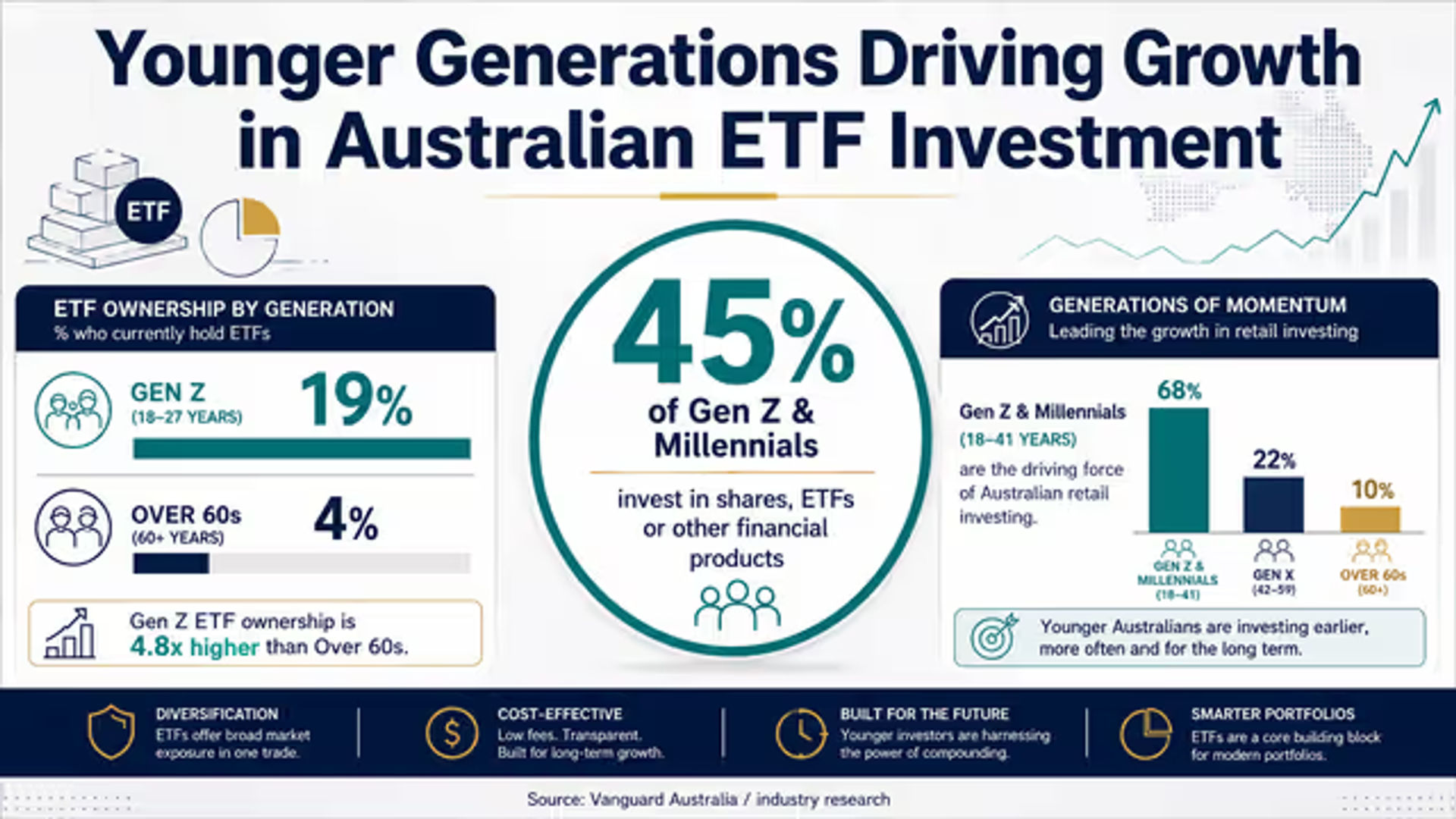
AUYounger Generations Driving Growth in Australian ETF Investment
A major generational shift is underway in Australia as 45% of Gen Z and Millennials actively invest in financial products. Driven by barriers to home ownership, younger investors are fueling record-breaking inflows into exchange-traded funds.

Consumer Finance
AUAustralian Households and Businesses Set for Significant Electricity Bill Reductions
Australian households and small businesses will benefit from lower electricity bills from July 1, 2026, as final regulatory determinations confirm price drops of up to 10.7% for residential standing offers and over 20% for commercial plans.
Consumer Finance
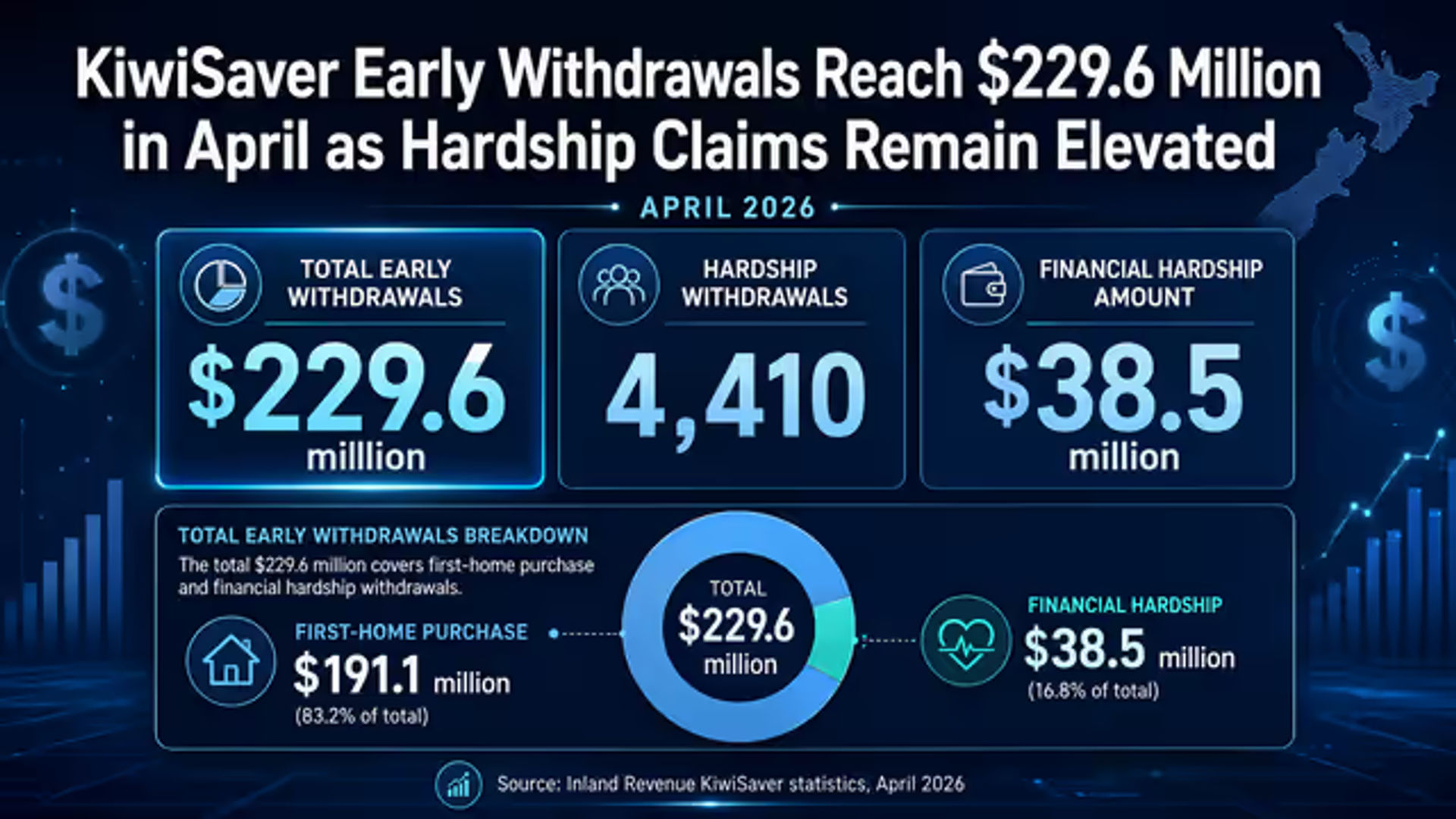
NZKiwiSaver Early Withdrawals Reach $229.6 Million in April as Hardship Claims Remain Elevated
KiwiSaver early withdrawals reached $229.6 million in April 2026. While first-home buyers made up the bulk of the total value, 4,410 New Zealanders withdrew $38.5 million due to severe financial hardship.

Consumer Finance
NZNew Zealand Electronic Card Spending Contracts as Cost of Living Squeezes Households
New Zealand's seasonally adjusted retail electronic card spending dropped by 1.3% in April 2026, reversing March gains. The broad-based slowdown across consumables, hospitality, and fuel indicates that elevated living costs are significantly dampening household demand.

Consumer Finance
AUAustralian Consumer Confidence Falls to 64.1 Following RBA Rate Hike
Australian consumer confidence has plunged to 64.1 points, marking its fourth-lowest level since 1973. The 3.1-point drop follows the Reserve Bank of Australia's decision to raise the cash rate to 4.35%.

Consumer Finance
NZGen Z Leads New Zealand’s Retail Investment Surge Amid Economic Uncertainty
A surge in retail investing is being driven by New Zealand's Gen Z, with 30% starting in early adulthood compared to just 6% of Baby Boomers. Despite economic pressures and an 18% youth unemployment rate in Auckland, fintech platforms like Sharesies are empowering a new generation of Kiwis to take control of their financial futures.