Housing & Property
NZ & Australia — latest housing & property news and analysis
Housing & Property
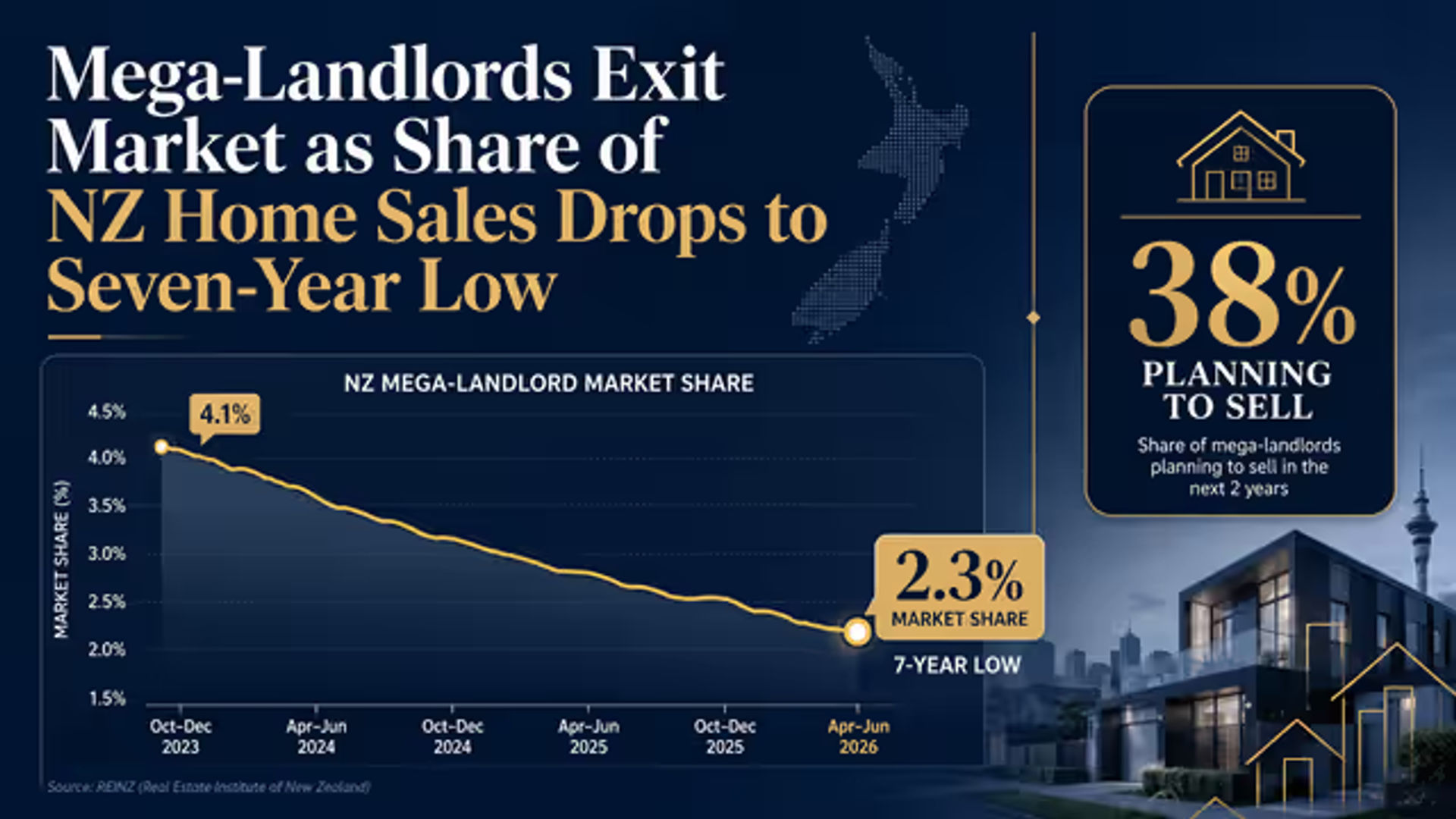
NZMega-Landlords Exit Market as Share of NZ Home Sales Drops to Seven-Year Low
New Zealand's mega-landlords accounted for just 2.3% of home sales in the April-June 2026 quarter, a seven-year low. Rising mortgage rates, cooling rent growth, and potential tax changes have driven major property investors to step back.
Housing & Property
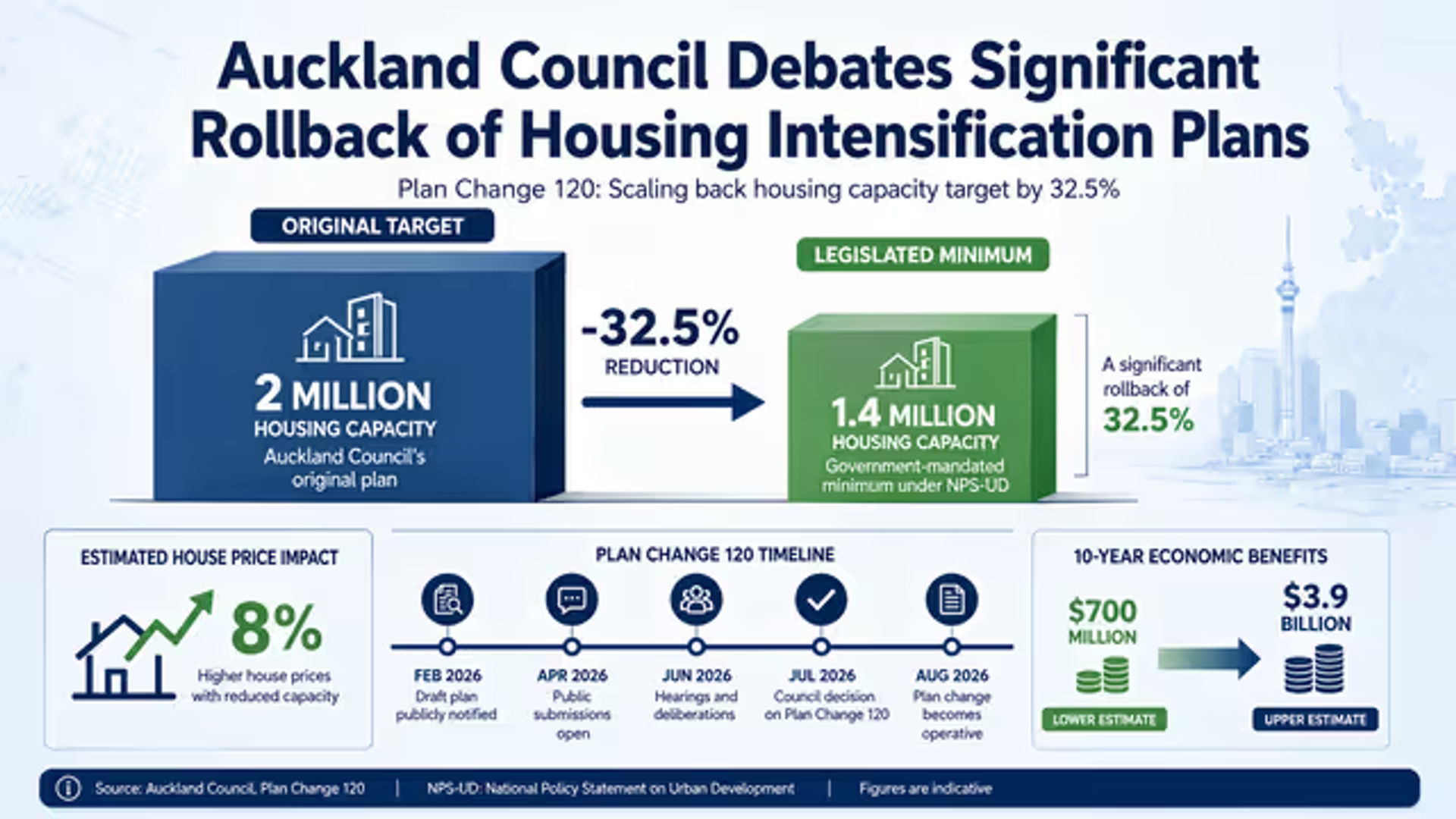
NZAuckland Council Debates Significant Rollback of Housing Intensification Plans
Auckland Council's Policy, Planning and Development Committee is set to vote on June 9, 2026, on proposals to scale back its housing intensification plans under Plan Change 120. The decisions could impact future house prices by up to 8% and result in a $3.2 billion variance in economic benefits.

Housing & Property
NZNZ Property Market 'Stuck in Neutral' as May Prices Stagnate Amid Interest Rate Pressures
New Zealand's national median home value held flat in May 2026 at $808,187, reflecting a cautious market influenced by high interest rates. Property values remain 17% below their 2022 peak, with key regional centres showing mixed performance.

Housing & Property
AUAustralia's Build-to-Rent Sector Accelerates with Large Pipeline Expansion
Australia's Build-to-Rent sector is experiencing a significant surge, with a national pipeline poised to exceed 60,000 units. Sydney has overtaken Melbourne to lead the development pipeline, supported by supportive federal tax adjustments and state-level planning reforms.
Housing & Property
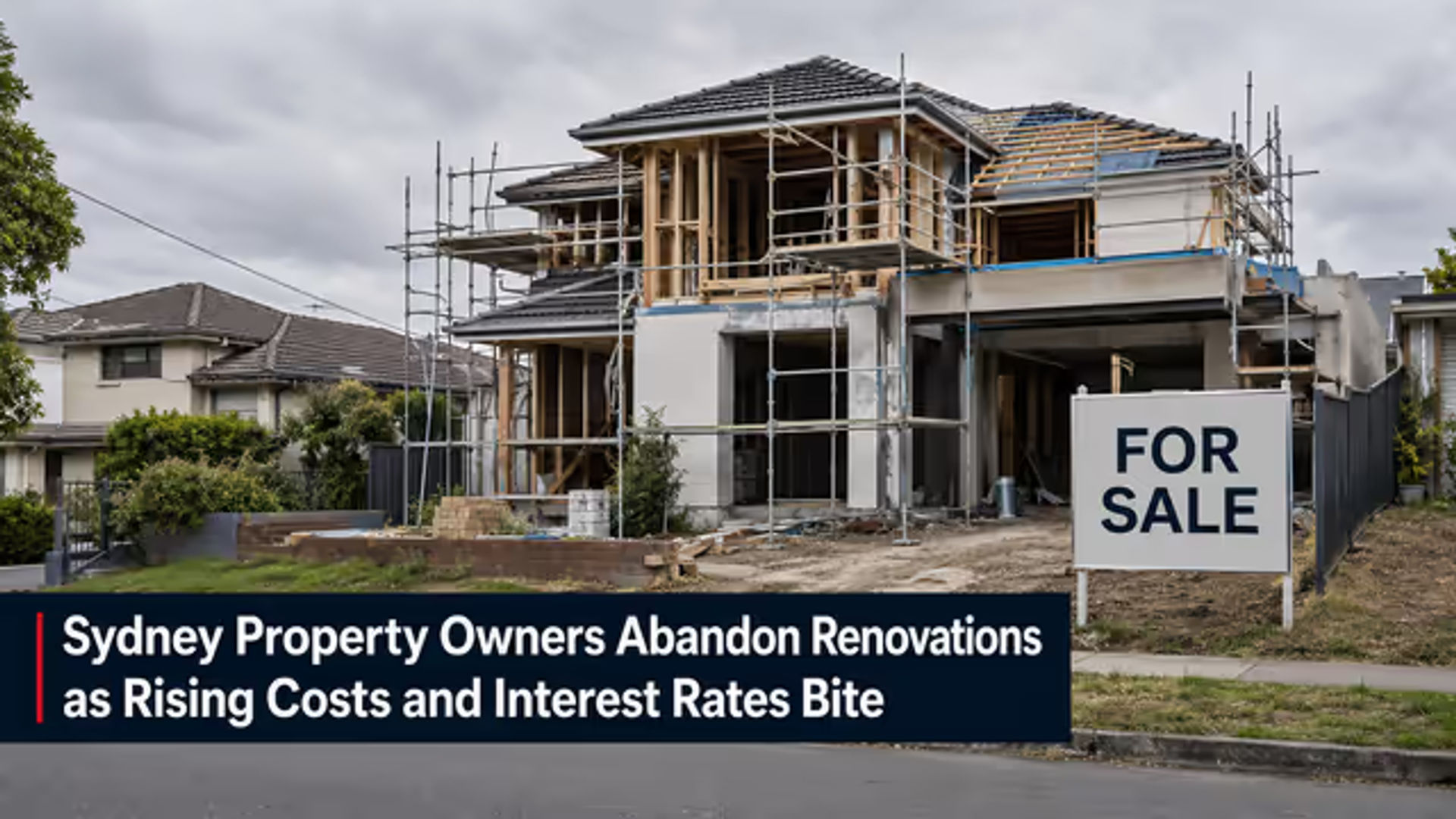
AUSydney Property Owners Abandon Renovations as Rising Costs and Interest Rates Bite
Sydney's property market is experiencing a rise in unfinished homes listed for sale as homeowners abandon renovation projects. Driven by escalating material costs, labour shortages, and rising interest rates, many are choosing to sell partially completed projects to cut their losses.

Housing & Property
AUAustralian Federal Budget Introduces Major Tax Reforms to Negative Gearing and CGT
The Australian Government has announced major structural tax reforms to negative gearing and Capital Gains Tax in the Federal Budget. While aimed at supporting first-home buyers, industry experts warn the changes could severely impact the tight rental market.

Housing & Property
AUAustralian Auction Clearance Rates Hit Lowest Since COVID-19 Pandemic, Signaling Housing Correction
Australia's capital city auction clearance rate has plunged to 50.4%, the lowest level since the onset of the COVID-19 pandemic in May 2020. Led by steep declines in Sydney and Melbourne, the housing market has shifted into a correction phase amid rising interest rates and tax changes.

Housing & Property
NZChristchurch Property Market Defies National Slump with Strong Price Recovery
While Auckland and Wellington struggle with house prices significantly below their historical peaks, Christchurch is showing remarkable resilience. Strong internal migration and solid first-home buyer demand continue to support the local Canterbury market.

Housing & Property
NZNew Zealand National Median Rent Rises for First Time in 2026
New Zealand's national median weekly rent rose to $625 in April 2026, marking the first monthly increase since late 2025. While major centres like Auckland and Wellington saw declines, a 5% drop in available properties and an 8% surge in demand are pushing regional rents higher.

Housing & Property
AUHotspotting Identifies Ten Australian Regions Poised for Sustained Capital Growth
The May 2026 National Top 10 Best Buys report identifies ten Australian regions, including Greater Hobart and Belmont, as prime locations for long-term capital growth based on infrastructure and demand.

Housing & Property
NZOne in Six New Westpac Home Loans Now Exceed One Million Dollars
New data reveals that one in six new home loans issued by Westpac New Zealand this year exceeds $1 million, as Auckland first-home buyers face a median entry price of $900,000.
Housing & Property
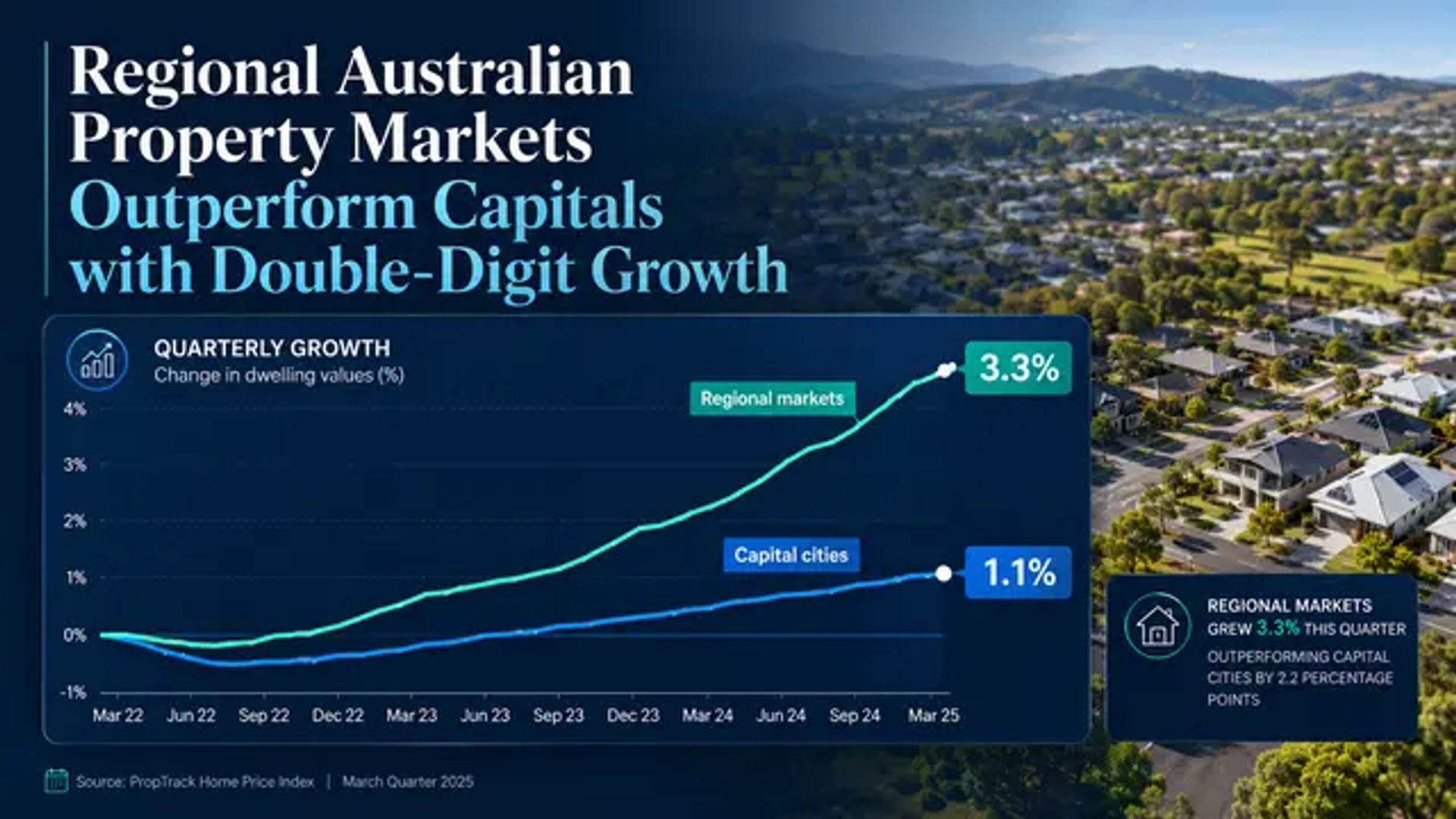
AURegional Australian Property Markets Outperform Capitals with Double-Digit Growth
Regional Australian property values have grown by 3.3% in the last three months, more than triple the growth rate of capital cities, as Western Australia and Queensland lead a national surge.
Housing & Property
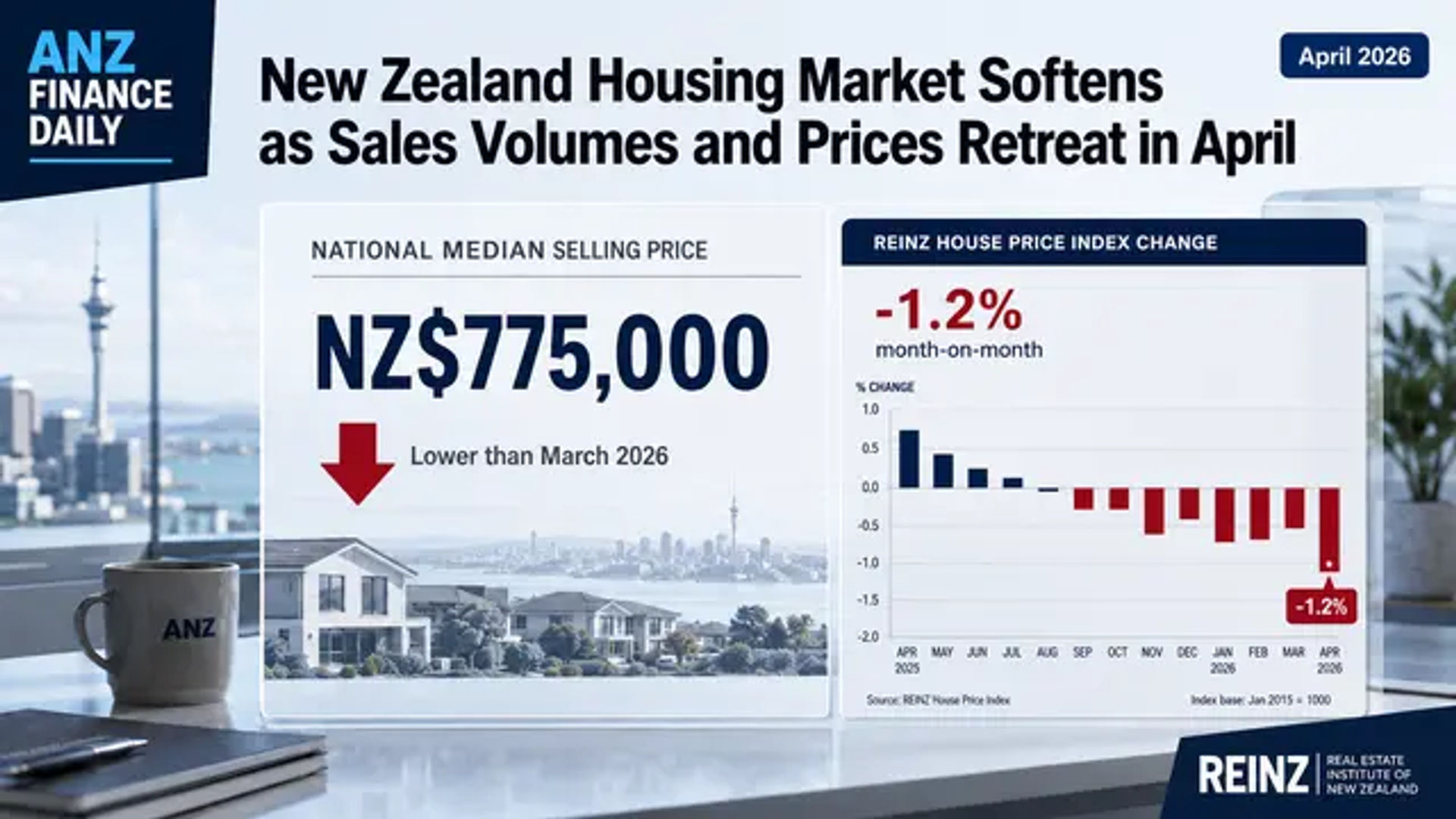
NZNew Zealand Housing Market Softens as Sales Volumes and Prices Retreat in April
New Zealand's housing market slowed significantly in April 2026, with national sales volumes falling 7.9% annually and the median price dropping to $775,000. Rising inventory levels and anticipated interest rate hikes are contributing to a shift in market dynamics.

Housing & Property
NZNew Zealand housing market faces renewed price pressure as sentiment weakens
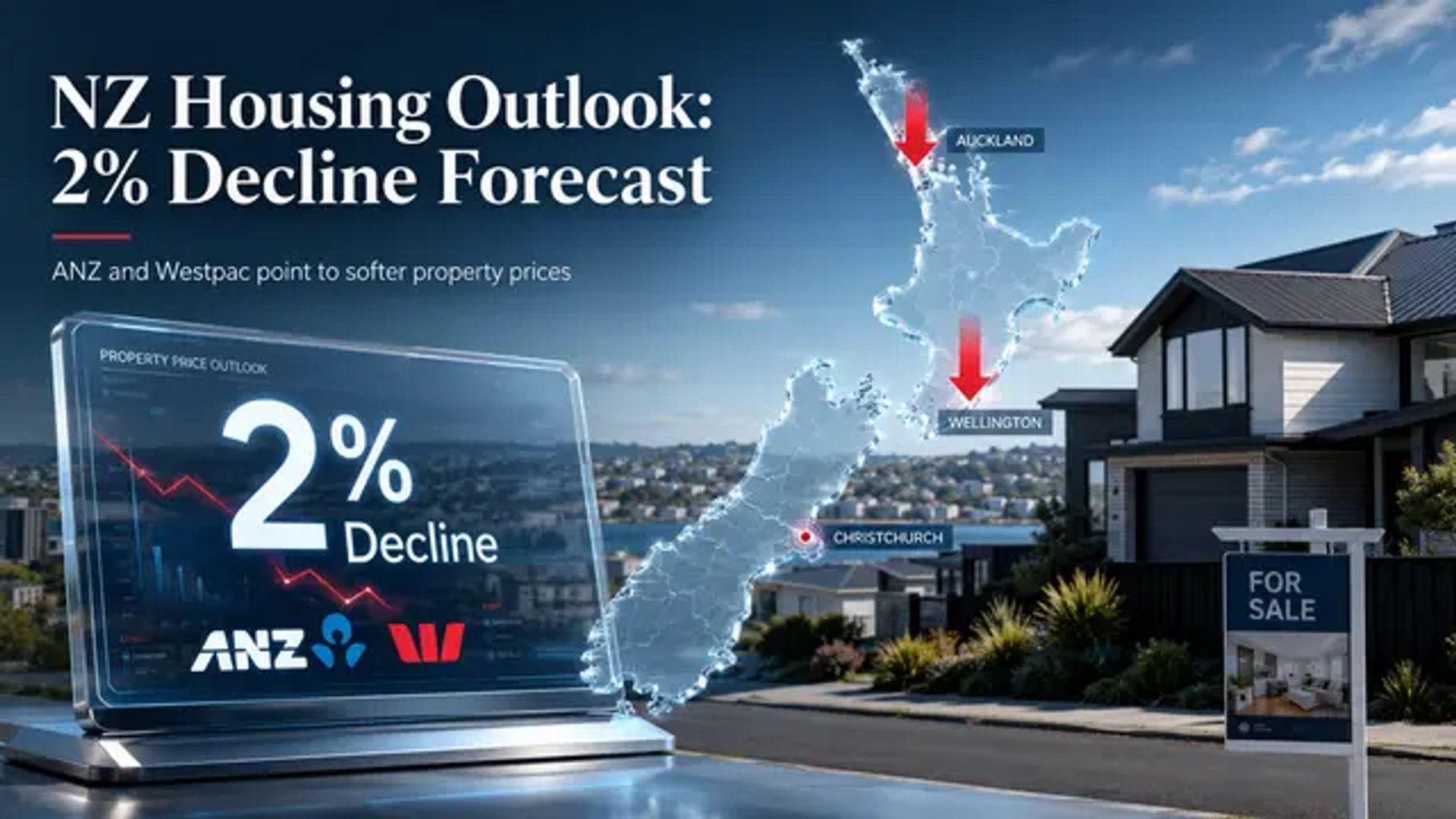
New Zealand house prices are forecast to fall by 2% in 2026 as consumer confidence reaches a three-year low. Despite a marginal monthly rise in April, high inflation expectations and a retreat by property investors continue to weigh on the market.

Housing & Property
AUAustralian First Home Guarantee Scheme Under Scrutiny for Driving Entry-Level Price Inflation
New data reveals Australia's First Home Guarantee scheme is driving a 6.7% price surge in eligible properties, significantly outperforming the broader market and increasing household debt.
Housing & Property
NZNew Zealand House Prices Projected to Decline as Interest Rates Rise
New Zealand's property market is bracing for a 2% price decline in 2026, reversing earlier growth forecasts. Rising mortgage rates and record-high inventory levels are driving the shift toward a buyer's market.

Housing & Property
NZSouthland Property Prices Reach Record High Amid Tightening Housing Stock
Southland property prices hit a record average of $617,879 in April 2026, marking a 17.9% annual increase as housing stock fell by 21.3%.

Housing & Property
AUWestern Australia Announces Ban on No-Grounds Evictions in Major Rental Reform
The Cook Government has announced a ban on no-grounds evictions and an extension of the Rent Relief Program to June 2027 to address Western Australia's rental crisis.
Housing & Property
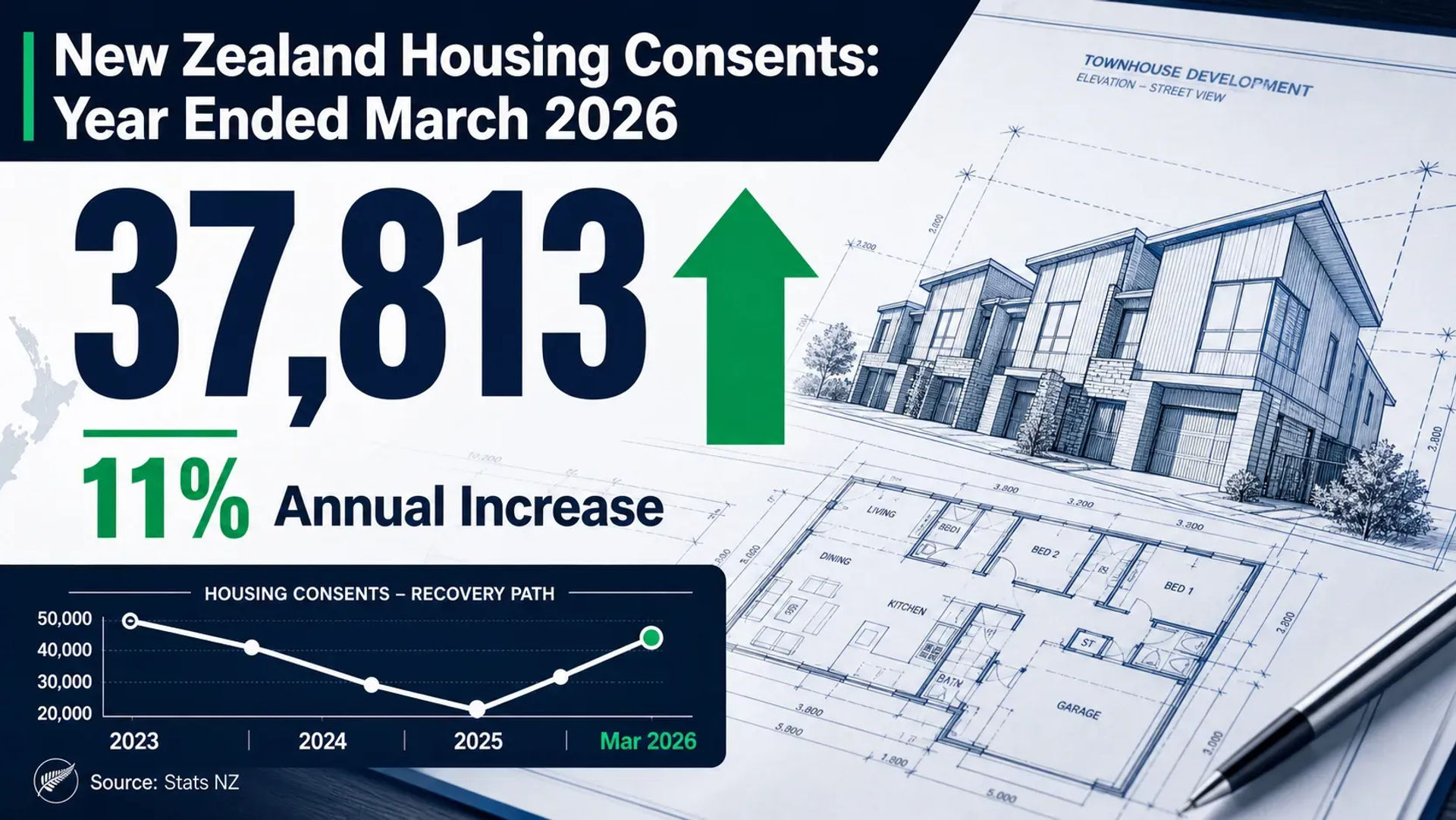
NZNew Zealand Housing Consents Record First Annual Increase in Three Years
New Zealand recorded 37,813 new home consents in the year to March 2026, an 11% increase that ends a three-year period of decline. While Auckland and Canterbury lead the recovery, economists warn that rising material costs and global supply chain disruptions could temper future growth.

Housing & Property
NZAuckland Property Values Slip in April as National Market Records Third Monthly Gain
Auckland's median house price dipped 0.1% to just over $1.04 million in April 2026, contrasting with a 0.1% national increase. High inventory and looming OCR hikes continue to weigh on NZ's largest property market.

Housing & Property
AUHome Guarantee Scheme Expansion Fuels Price Surge in Australia’s Entry-Level Property Market
New data shows Australia's expanded Home Guarantee Scheme has fueled a 6.7% price jump in lower-end properties, significantly outpacing the broader market's 3.6% growth.

Housing & Property
AUAlbanese Signals Housing Focus as Budget Tax Speculation Mounts
Prime Minister Anthony Albanese has addressed speculation regarding negative gearing and CGT reforms ahead of the May 12 Federal Budget, as new data reveals a 380,000-home national shortfall.

Housing & Property
NZNZ Property Values Edge Up Slightly in April, but Auckland and Wellington Decline Amid Sluggish Outlook
New Zealand's national median property value rose slightly to $809,101 in April, but a 0.1% decline in Auckland and Wellington highlights a widening regional divide as the RBNZ maintains a hawkish stance.
Housing & Property
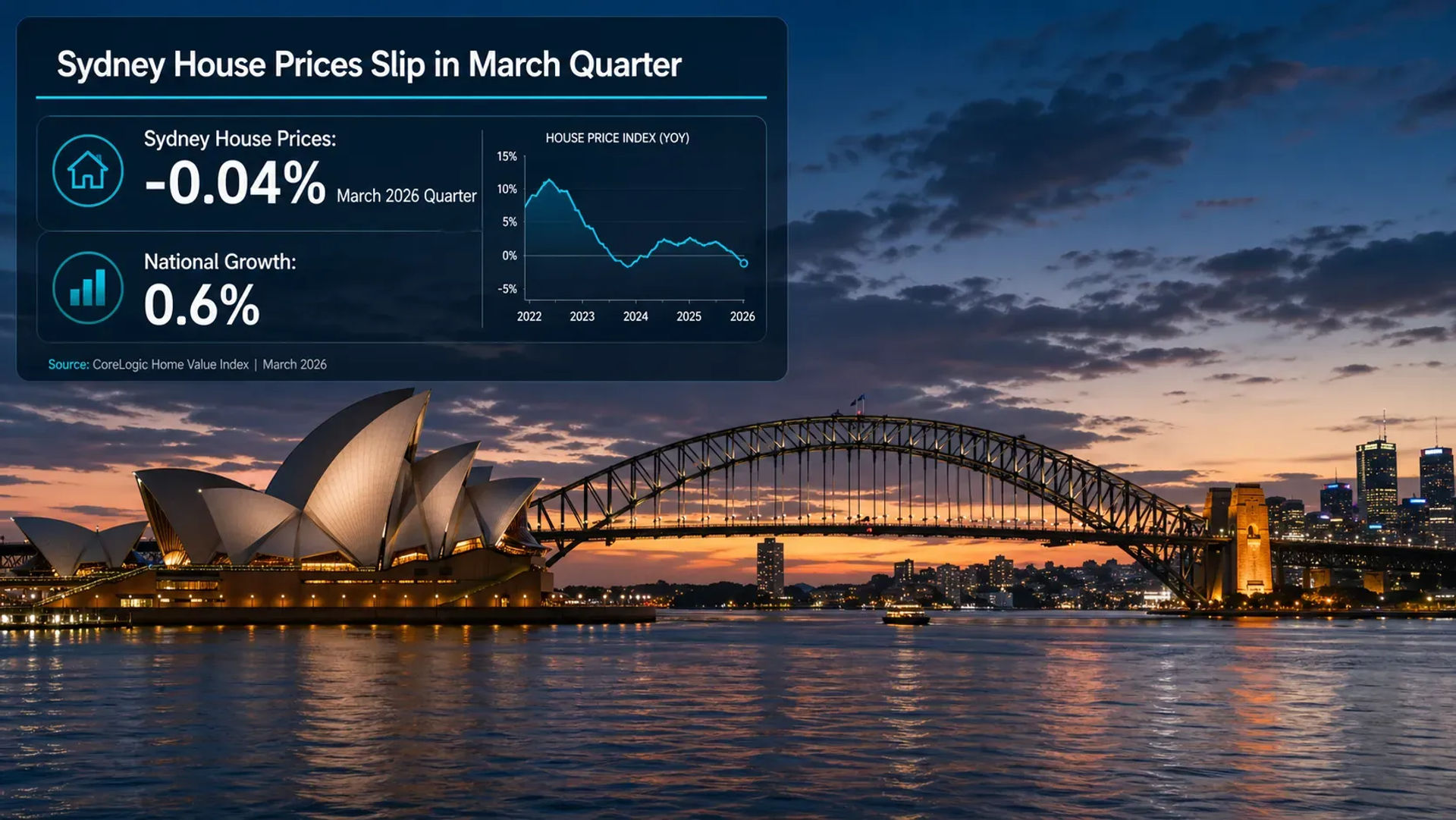
AUAustralian Housing Market Fractures as Sydney and Melbourne Prices Enter Quarterly Decline
While national home values rose 0.6% in March 2026, Sydney and Melbourne house prices have entered a quarterly decline as Perth surges 5.7% to record highs.