Latest News
All the latest NZ & Australian financial news
Housing & Property
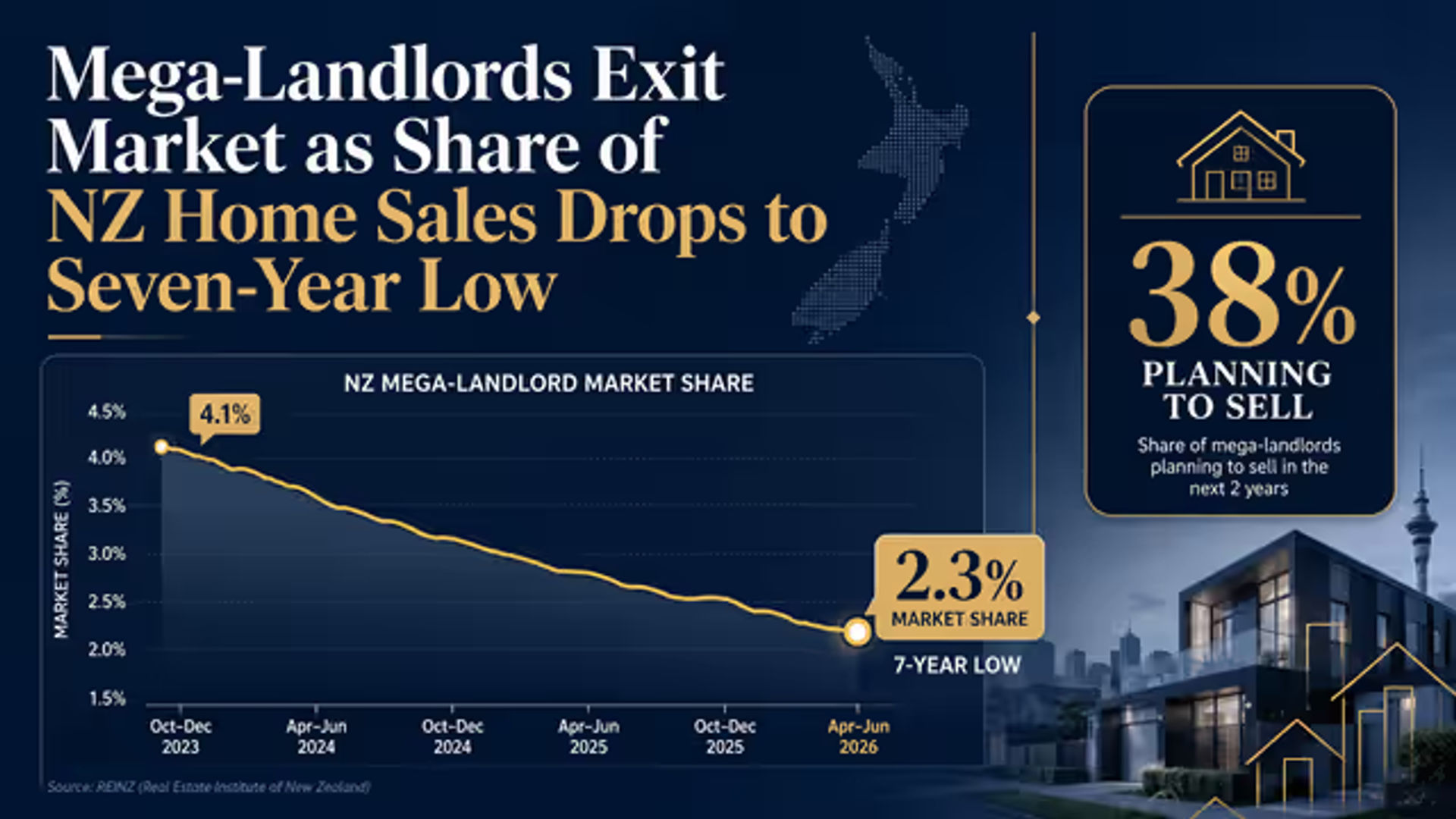
NZMega-Landlords Exit Market as Share of NZ Home Sales Drops to Seven-Year Low
New Zealand's mega-landlords accounted for just 2.3% of home sales in the April-June 2026 quarter, a seven-year low. Rising mortgage rates, cooling rent growth, and potential tax changes have driven major property investors to step back.

Business & Markets (ASX)
AUASX 200 Poised for Lower Open Following Wall Street Slump and Oil Surge
Australian shares are set for a weak start on Friday following overnight losses on Wall Street, where tech heavyweights tumbled and crude oil topped US$100 a barrel. Disappointing quarterly results from Alphabet and Tesla sparked broader concerns over artificial intelligence returns amidst escalating Middle East geopolitical risks.

OpinionBusiness & Markets (NZX)
NZHostage to the World: Why the NZX Has Become a Proxy for Global Turbulence
The S&P/NZX 50's recent extreme volatility, driven by Middle East tensions and global AI pricing wars, proves that New Zealand's equity market is increasingly a proxy for global forces. Local investors must wake up to the reality that domestic fundamentals are being overshadowed by international events.

OpinionEconomy
NZBeyond the NZX50: Why Smaller, Regional NZ Businesses Might Be the Unsung Heroes of 2026
While global volatility drags down the main NZX50 index, New Zealand's regional economies are staging a quiet recovery. Driven by strong primary sector returns and resilient local SMEs, the provinces are proving to be the real engine of the country's economic survival in 2026.
RBNZ & Rates
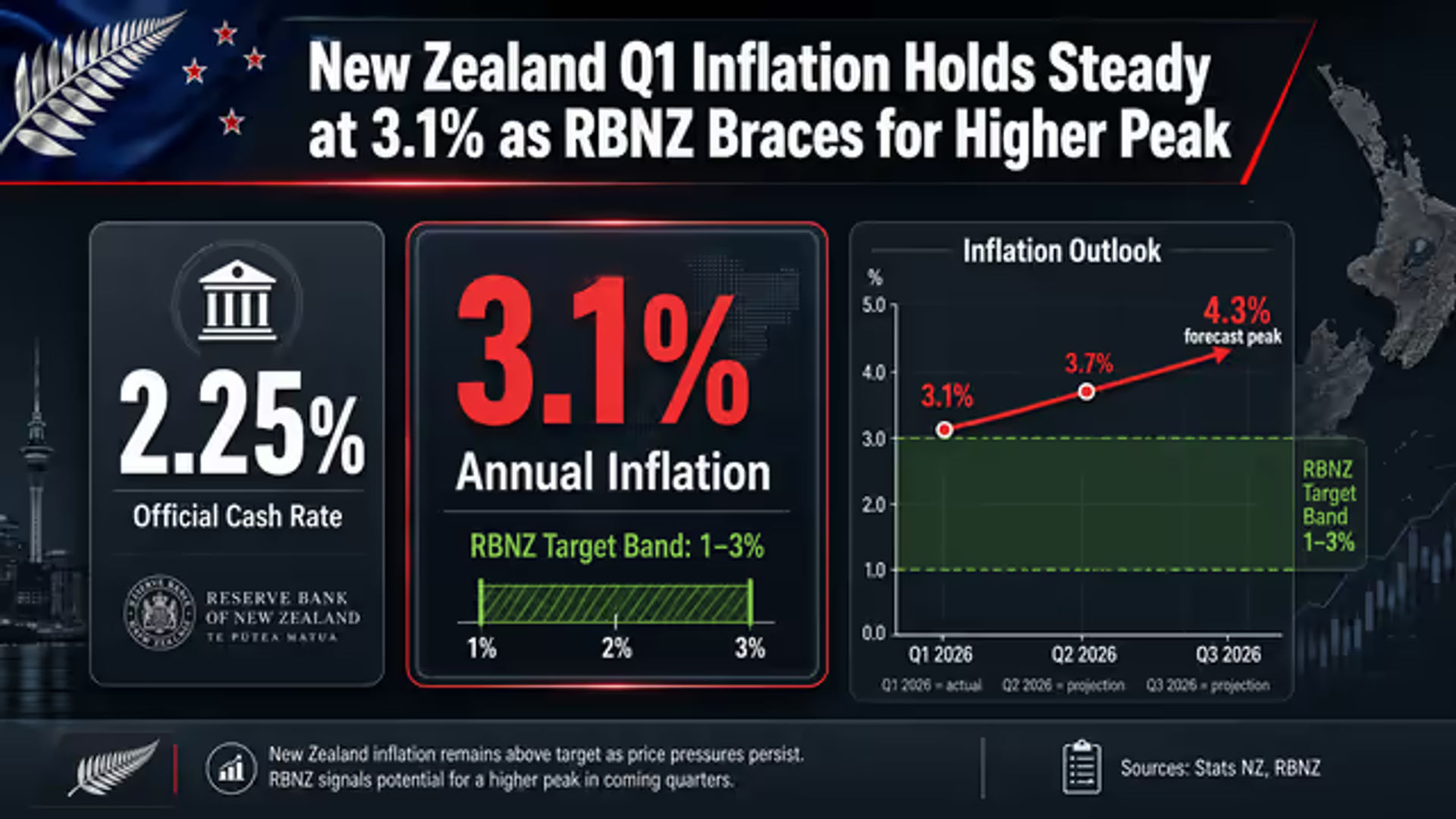
NZNew Zealand Q1 Inflation Holds Steady at 3.1% as RBNZ Braces for Higher Peak
New Zealand's annual inflation rate remained elevated at 3.1% for the March 2026 quarter, exceeding the RBNZ's 1-3% target band. The central bank has revised its inflation peak forecast to 4.3% amid escalating global oil price shocks and a deeply split monetary policy committee.

Government & Policy
AUAustralia Deploying $14.8 Billion Fuel Package as Retail Excise Cut Set to Expire
The Australian Government is rolling out its $14.8 billion Strengthening Australia's Fuel Resilience Package to bolster long-term fuel security. However, consumers face immediate retail price rises as the temporary $2.5 billion fuel excise cut expires on June 30, 2026.

Economy
NZWestpac Releases Downbeat June 2026 Consumer Update Highlighting Spending Slowdown and OCR Hikes
Westpac New Zealand's June 2026 Consumer Update shows household spending has slowed sharply, with per-person retail card spending down by 0.3% in May, prompting forecasts of three RBNZ OCR hikes to combat persistent inflation.

Business & Markets (ASX)
AUASX 200 Rebalance Signals Structural Shift Towards Hard Assets and Defence Technology
The S&P/ASX 200 Index June 2026 quarterly rebalance reveals a major structural flow of institutional capital. Five resources and defence companies join the index, while five consumer, technology, and travel firms are removed.
Housing & Property
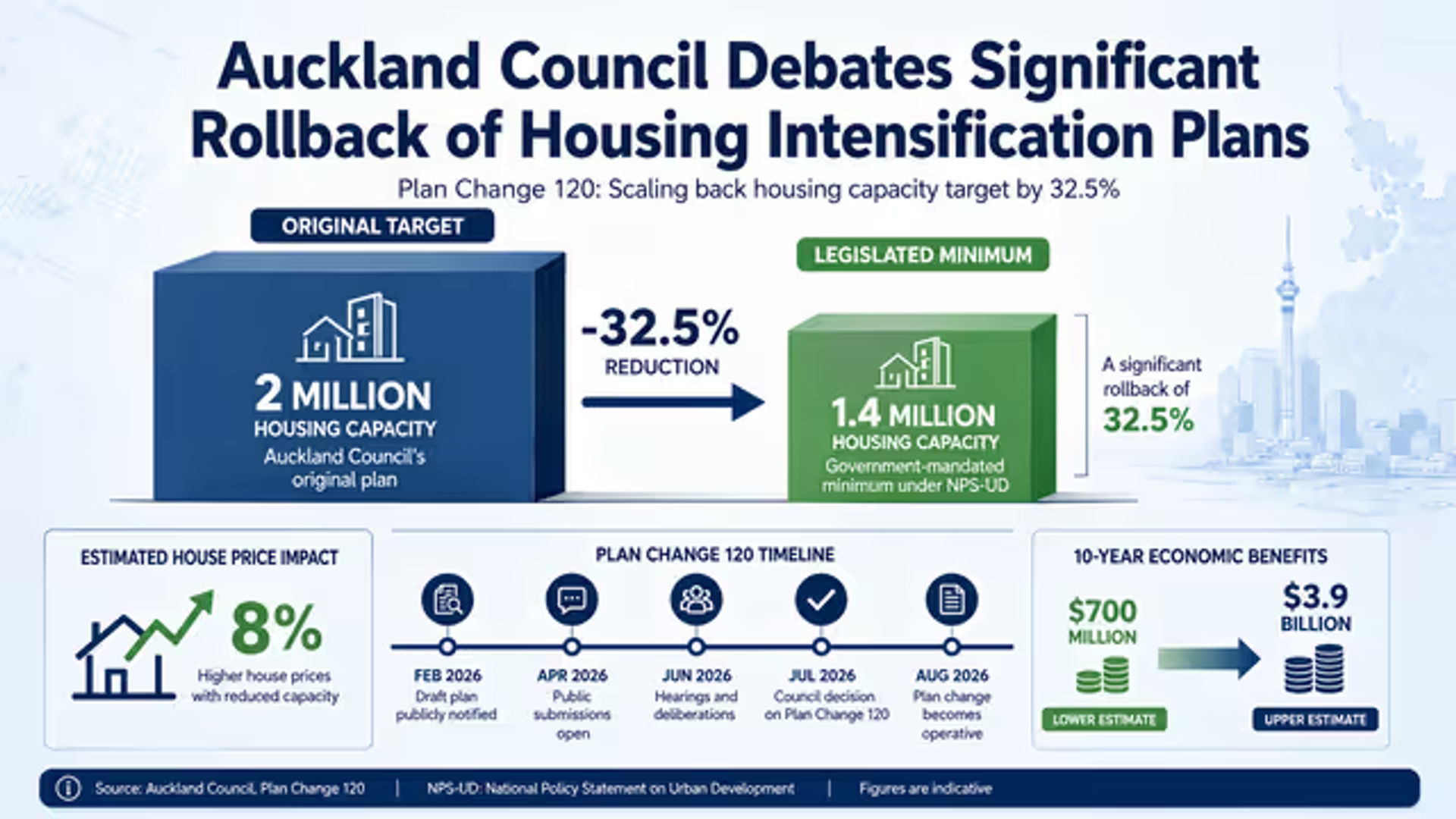
NZAuckland Council Debates Significant Rollback of Housing Intensification Plans
Auckland Council's Policy, Planning and Development Committee is set to vote on June 9, 2026, on proposals to scale back its housing intensification plans under Plan Change 120. The decisions could impact future house prices by up to 8% and result in a $3.2 billion variance in economic benefits.
Economy
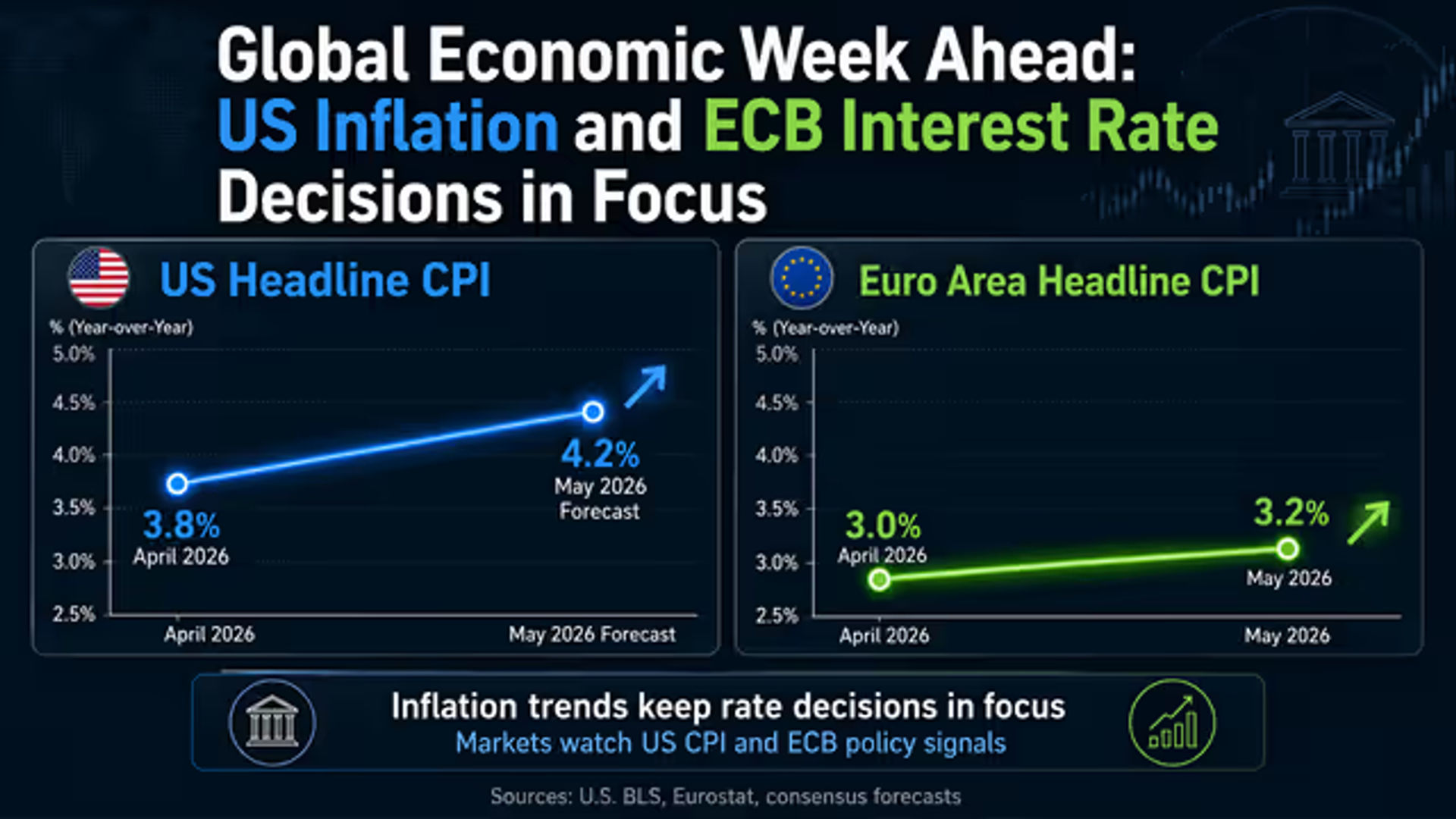
bothGlobal Economic Week Ahead: US Inflation and ECB Interest Rate Decisions in Focus
A crucial week lies ahead for global markets as May inflation figures in the US are forecast to rise to 4.2%, and the European Central Bank moves toward a 25 basis point rate hike.

OpinionBanking & Finance
NZThe Illusion of Free Regulation: Why Consumers Will Foot New Zealand's New Bank Levy
Finance Minister Nicola Willis expects banks to absorb the new NZ$209 million prudential levy, but New Zealand's concentrated financial market suggests otherwise. This editorial explores why everyday consumers, rather than highly profitable institutions, are likely to end up paying the bill.

Housing & Property
NZNZ Property Market 'Stuck in Neutral' as May Prices Stagnate Amid Interest Rate Pressures
New Zealand's national median home value held flat in May 2026 at $808,187, reflecting a cautious market influenced by high interest rates. Property values remain 17% below their 2022 peak, with key regional centres showing mixed performance.

Business & Markets (ASX)
AUOil Prices Tumble and Gold Gains as Global Geopolitical Shifts Reshape ASX Outlook
Global market shifts overnight see WTI crude drop 3% and gold futures rise 0.9%, setting up a mixed trading session for ASX energy and gold shares on Friday, June 5, 2026.

OpinionConsumer Finance
NZA Dangerous Streamlining: Why the FMA Takeover of NZ Lending Laws Risks Swapping Consumer Safety for Corporate Ease
New Zealand’s shift of credit regulation to the FMA and the repeal of director liability under the CCCFA are framed as wins for consumers. However, this editorial argues that stripping personal accountability from financial executives risks exposing vulnerable borrowers to systemic lending misconduct.
Business & Markets (ASX)
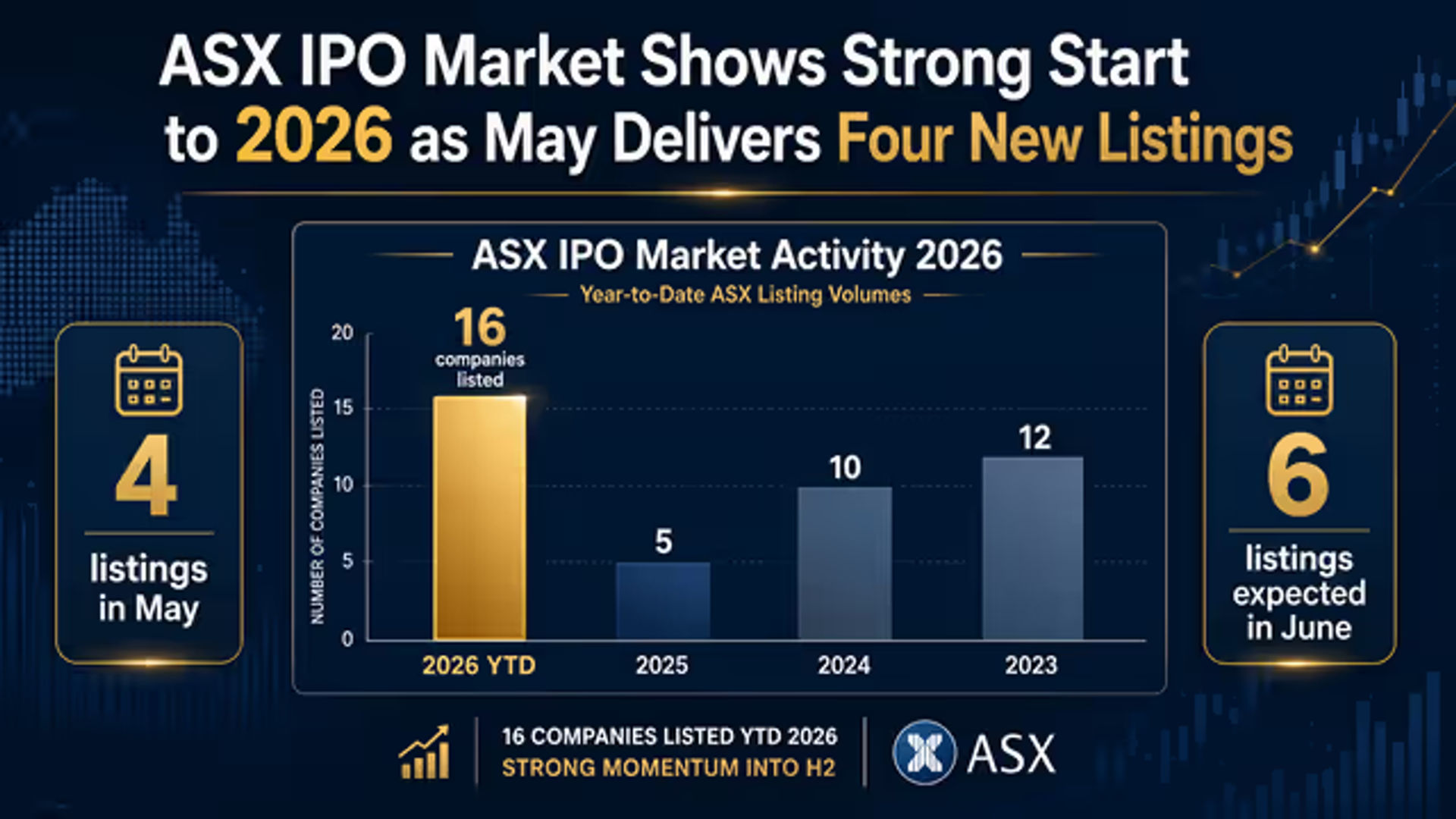
AUASX IPO Market Shows Strong Start to 2026 as May Delivers Four New Listings
The Australian IPO market has experienced a significant resurgence in 2026, with 16 listings completed by early June. Despite initial debut-day gains averaging 34.5%, retaining positive momentum post-listing remains a challenge for many new market entrants.

Economy
AUAustralian GDP growth slows to 0.3% as high rates and weather disrupt activity
Australia's economic growth slowed sharply to 0.3% in the first quarter of 2026, missing market expectations. Extreme weather disruptions and weak consumer spending dragged on activity, posing a policy dilemma for the Reserve Bank of Australia.

Banking & Finance
NZHeartland Group Holdings to Acquire TSB Bank for NZ$620 Million
Heartland Group Holdings has signed a conditional agreement to acquire TSB Bank from Toi Foundation for NZ$620 million. The combined entity will become New Zealand's seventh-largest bank with approximately NZ$15 billion in total assets.
OpinionEconomy
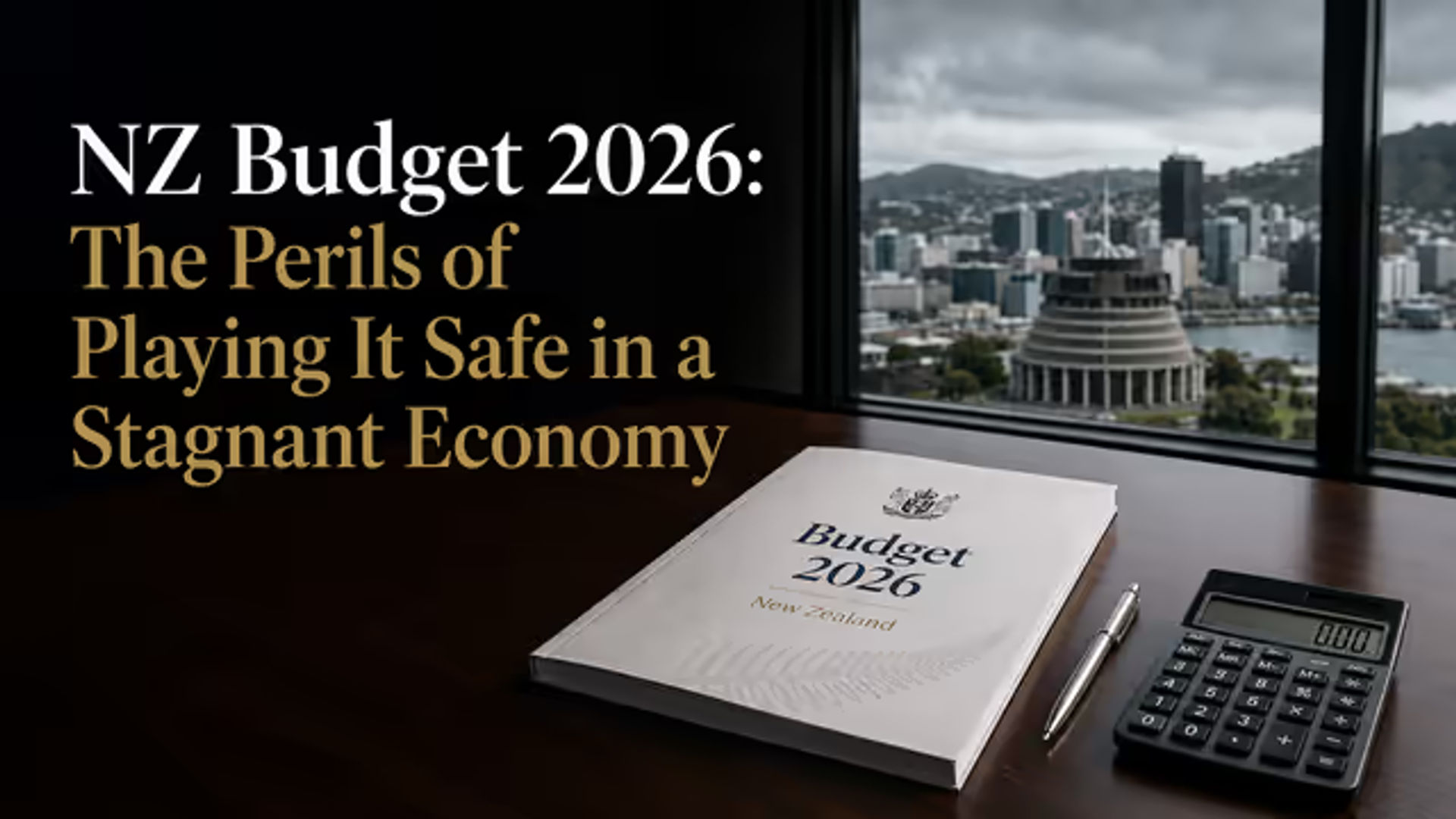
NZNZ Budget 2026: The Perils of Playing It Safe in a Stagnant Economy
New Zealand's Budget 2026 prioritises fiscal discipline and targeted relief, aiming for an earlier return to surplus. However, this cautious approach risks stalling broader economic growth at a time when businesses and workers need a real engine for recovery.

Economy
AUAustralia Records First Trade Deficit Since 2017 Amid Soaring Imports
Australia has recorded its first trade deficit in goods and services since December 2017, driven by a surge in data centre equipment imports and high fuel costs. The March quarter current account deficit widened to A$27.1 billion, setting up a drag on upcoming GDP growth figures.

Economy
AUAustralia's National Minimum Wage Rises 4.75% to Exceed A$1,000 Per Week
Australia's national minimum wage will rise by 4.75% from July 1, 2026, marking the first time the weekly rate has exceeded A$1,000.