Latest News
All the latest NZ & Australian financial news
Scams & Fraud
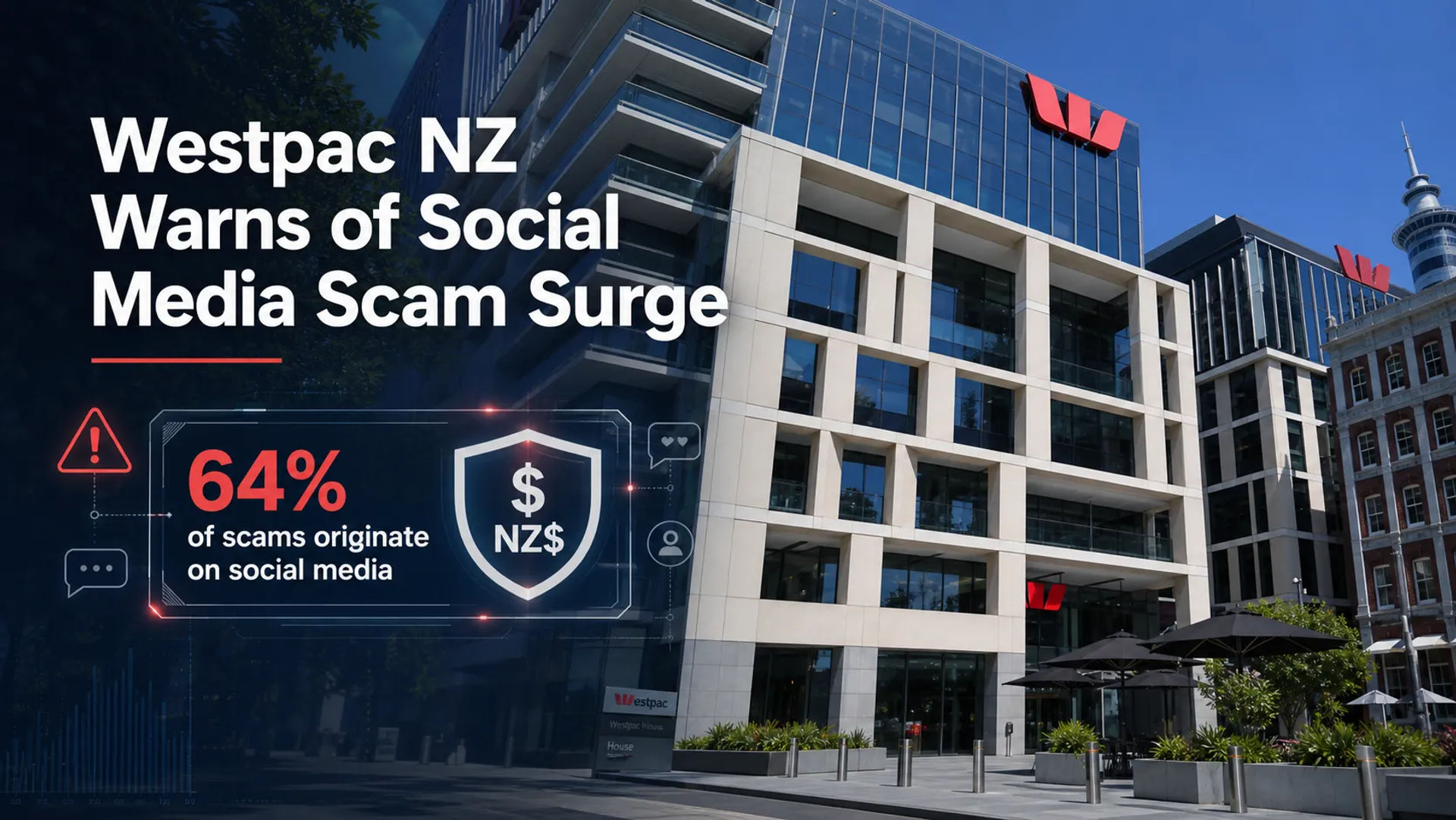
NZFMA and Westpac NZ Issue Urgent Warning Over Surge in Deepfake Social Media Scams
New Zealand's FMA and Westpac NZ have issued a major alert following a spike in AI-driven deepfake scams. With 64% of bank fraud now originating on social media, authorities are calling for greater platform accountability.
Economy
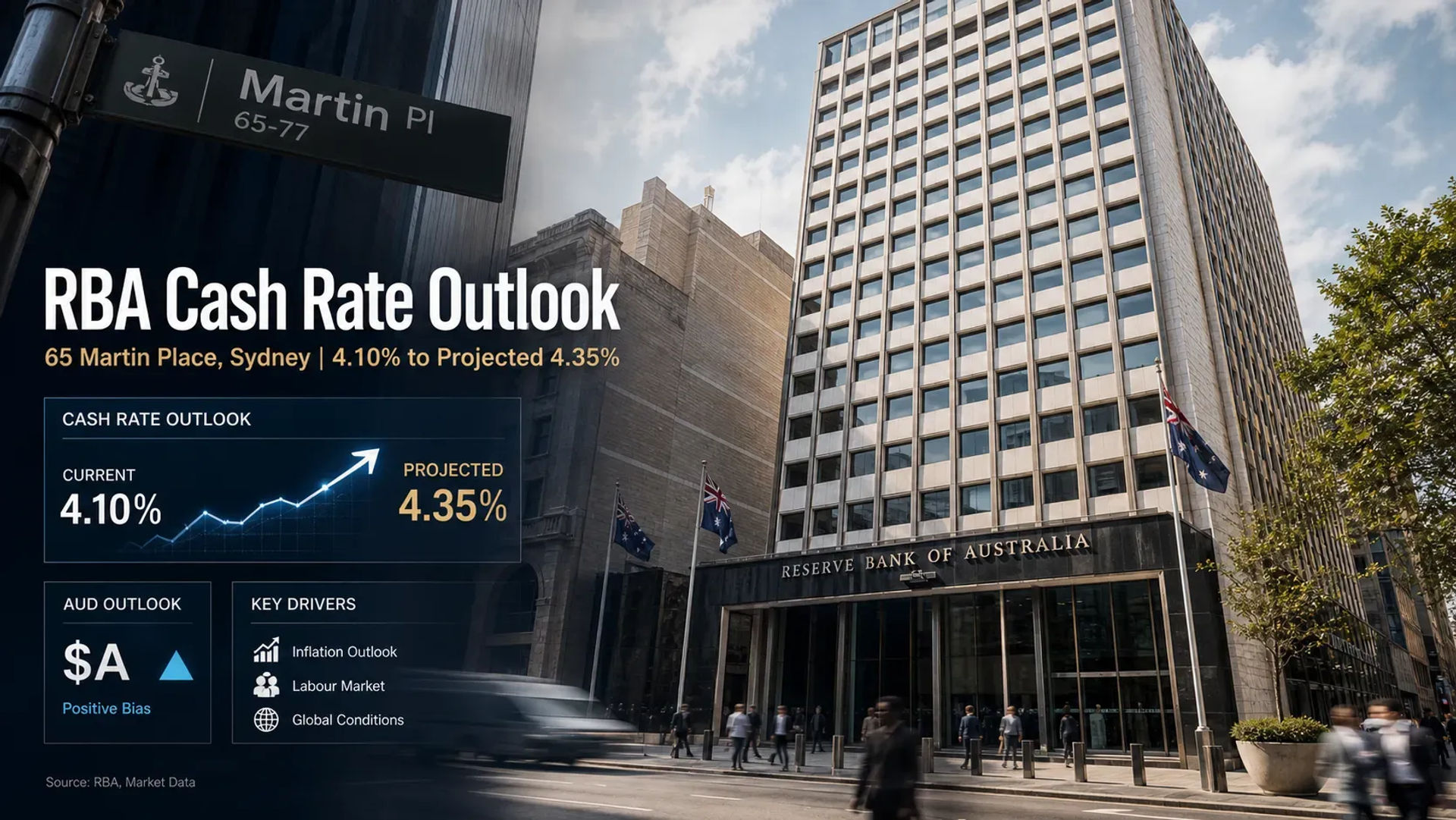
AUAustralia Faces Tightening Cycle as Inflation Persists and GDP Growth Moderates
Australia's 2026 economic outlook remains cautious, with the IMF projecting 2.0% GDP growth and inflation hitting 4.0%. As the RBA prepares for further rate hikes, consumer sentiment has fallen to near-record lows.

Housing & Property
AUHome Guarantee Scheme Expansion Fuels Price Surge in Australia’s Entry-Level Property Market
New data shows Australia's expanded Home Guarantee Scheme has fueled a 6.7% price jump in lower-end properties, significantly outpacing the broader market's 3.6% growth.

Business & Markets (ASX)
AUASX 200 Snaps Eight-Day Losing Streak as Mining Giants Lead Rebound
The ASX 200 ended its longest losing streak since 2018 on May 1, 2026, rising 0.74% to 8,729.80 points as BHP and Rio Tinto led a materials sector recovery.

Business & Markets (NZX)
NZNZX50 Snaps Losing Streak with 1.3% Weekly Gain as Blue Chips Defy Economic Headwinds
The NZX50 index rose 1.1% on Friday to close at 13,039.2, ending a two-week losing streak. While Ryman Healthcare and Fletcher Building led the rally, record-low consumer confidence and a stagnant housing market continue to signal underlying economic fragility.

Business & Markets (NZX)
NZNZX Revenue Climbs to $32.7 Million as Diversification Offsets Trading Downturn
NZX Limited reported a 5% rise in Q1 2026 revenue to $32.7 million, as growth in data services and funds management offset a 72.6% drop in capital raisings.

Housing & Property
AUAlbanese Signals Housing Focus as Budget Tax Speculation Mounts
Prime Minister Anthony Albanese has addressed speculation regarding negative gearing and CGT reforms ahead of the May 12 Federal Budget, as new data reveals a 380,000-home national shortfall.

Business & Markets (ASX)
AUAustralian Fast-Food Stocks Slump as Cost-of-Living Pressures Erode Discretionary Spending
Shares in Domino’s and Collins Foods have seen sharp declines as Australian inflation hits 4.6% and high interest rates squeeze household budgets, forcing a pullback in discretionary spending.
RBA & Rates
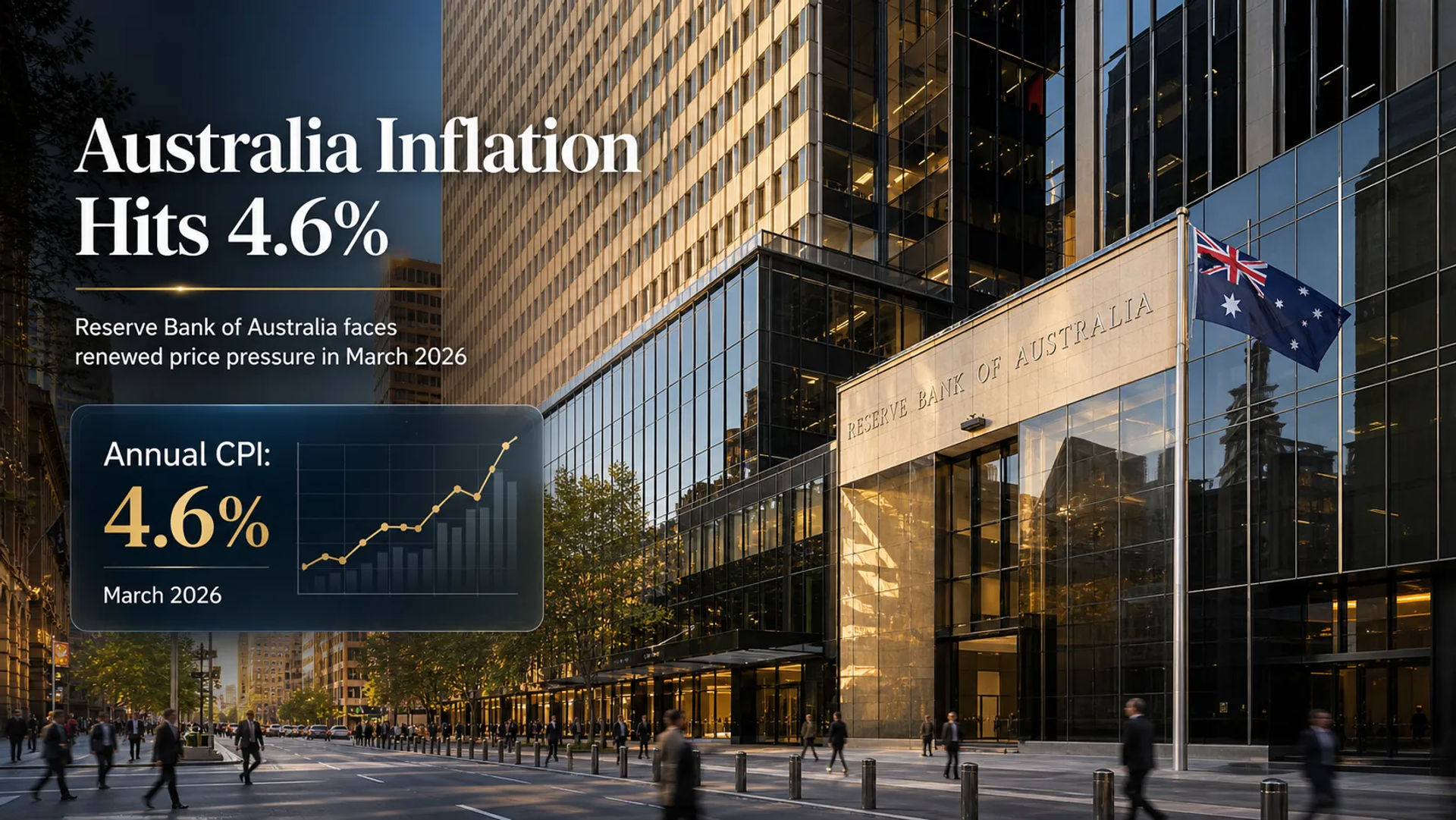
AUAustralian Annual CPI Jumps to 4.6% in March, Intensifying RBA Rate Hike Pressure
Australia's annual inflation rate jumped to 4.6% in March 2026, driven by a record 32.8% surge in fuel prices following the closure of the Strait of Hormuz. Markets now expect a 76% chance of an RBA rate hike in May.

RBNZ & Rates
NZNew Zealand Inflation Remains Stubborn at 3.1%, Defying RBNZ Forecasts
New Zealand's annual inflation rate remained at 3.1% in the March 2026 quarter, exceeding the RBNZ’s target band and market expectations. Rising electricity and local rates continue to drive domestic costs.

Economy
NZNew Zealand Business Confidence Recedes as Energy Cost Shock Hits Supply Chains
New Zealand business confidence fell to -10.6 in April 2026 as record fuel price hikes following Middle East conflict impacted profit expectations and inflation outlooks.

Housing & Property
NZNZ Property Values Edge Up Slightly in April, but Auckland and Wellington Decline Amid Sluggish Outlook
New Zealand's national median property value rose slightly to $809,101 in April, but a 0.1% decline in Auckland and Wellington highlights a widening regional divide as the RBNZ maintains a hawkish stance.

Business & Markets (ASX)
AUWoolworths Sales Exceed Expectations as Inflation and Fuel Costs Weigh on Outlook
Woolworths Group reported Q3 sales of A$18.10 billion, beating expectations, but shares dropped nearly 10% as the company warned that rising fuel costs and geopolitical tensions will impact profit margins.
Housing & Property
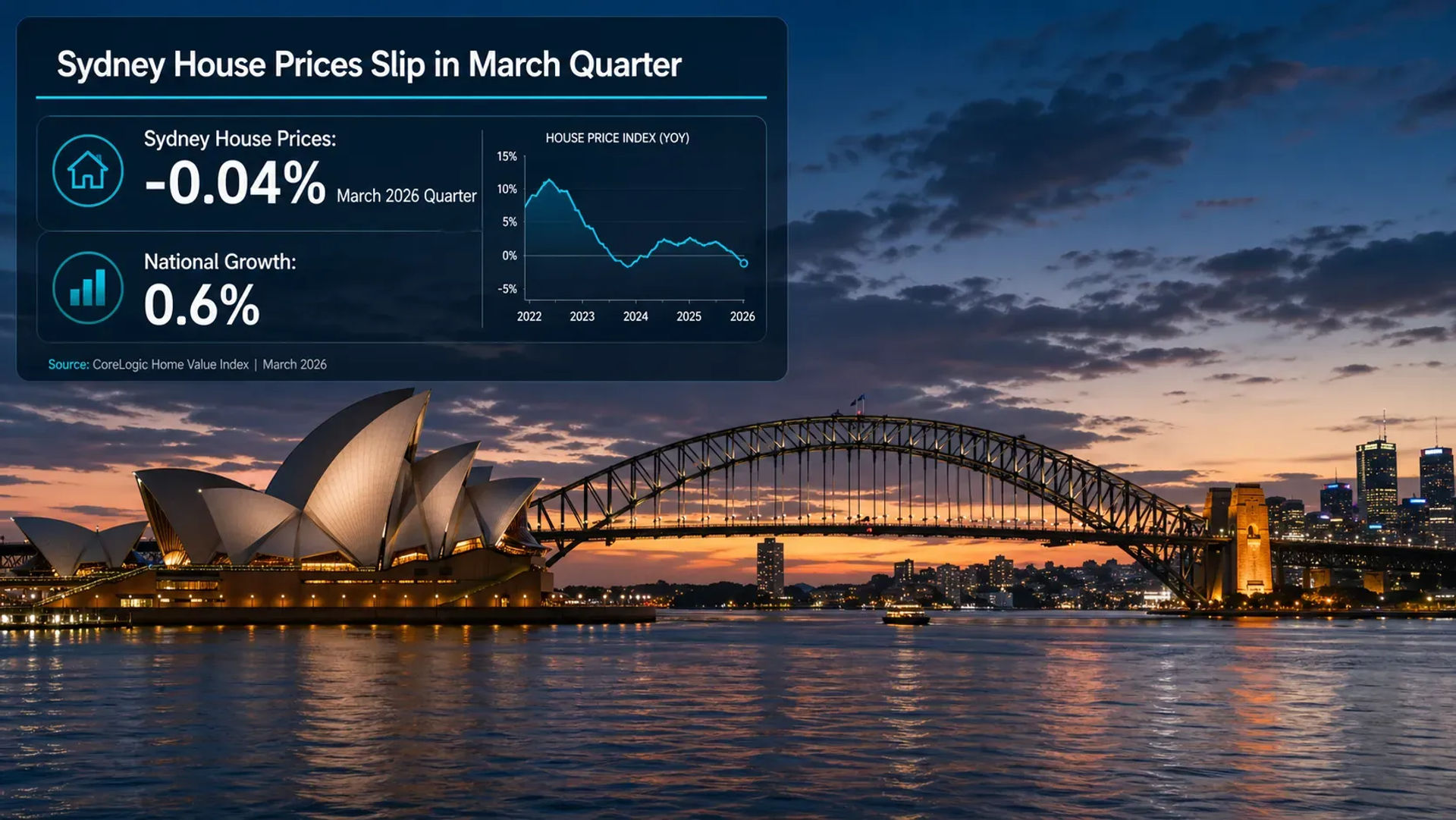
AUAustralian Housing Market Fractures as Sydney and Melbourne Prices Enter Quarterly Decline
While national home values rose 0.6% in March 2026, Sydney and Melbourne house prices have entered a quarterly decline as Perth surges 5.7% to record highs.

Economy
NZGeopolitical Shock Sends New Zealand Business Confidence Into Negative Territory
New Zealand business confidence plummeted to -10.6 in April 2026, a 43-point swing from March, as Middle East conflict and fuel supply disruptions trigger a sharp cost shock.

Business & Markets (ASX)
AUASX 200 Records Tenth Consecutive Day of Losses as Inflation Fears Mount
The S&P/ASX 200 index has recorded its tenth consecutive day of decline, closing at 8,652.1 points as Australia's inflation rate surged to 4.6% in March. The prolonged downturn, driven by energy supply shocks and RBA rate hike fears, marks the longest losing streak for the index since mid-2022.
RBNZ & Rates
NZRBNZ Holds OCR at 2.25% as Global Geopolitics Reignite Inflation Fears
The Reserve Bank of New Zealand held the OCR at 2.25% in April 2026 as annual inflation remained stuck at 3.1%. Rising electricity and fuel costs, exacerbated by Middle East tensions, have prompted a sharp upward revision of short-term inflation forecasts.