Latest News
All the latest NZ & Australian financial news

Business & Markets (NZX)
bothCDC Data Centres secures record 555-megawatt contract in Australia
CDC Data Centres has secured a landmark 555-megawatt contract in Australia, the largest in the nation's history. The 30-year agreement with a high-end US customer is expected to drive annualised EBITDAF to A$2 billion.
Banking & Finance
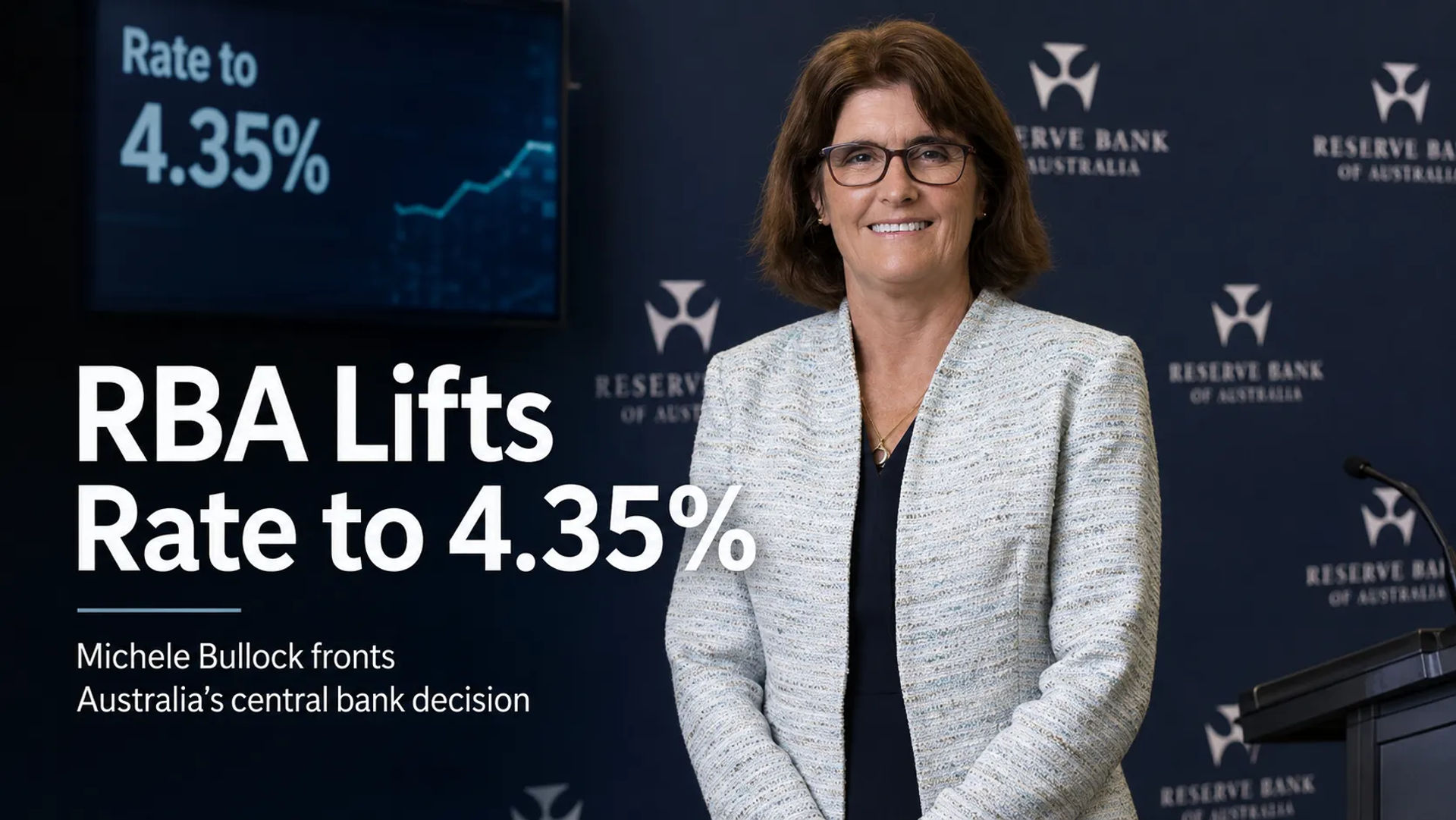
AURBA Increases Cash Rate to 4.35 Per Cent as Inflation Hits 4.6 Per Cent
The Reserve Bank of Australia has raised the official cash rate to 4.35 per cent to combat 4.6 per cent inflation. Major banks including CBA, NAB, ANZ, and Westpac will pass on the full 0.25 per cent increase to mortgage holders.

Scams & Fraud
NZNetsafe Reports Significant Spike in New Zealand Investment Scam Losses
Investment scam losses in New Zealand more than doubled to $81,500 in April 2026, with the average loss per victim surging to over $20,000 as deepfake technology becomes more prevalent.
RBNZ & Rates
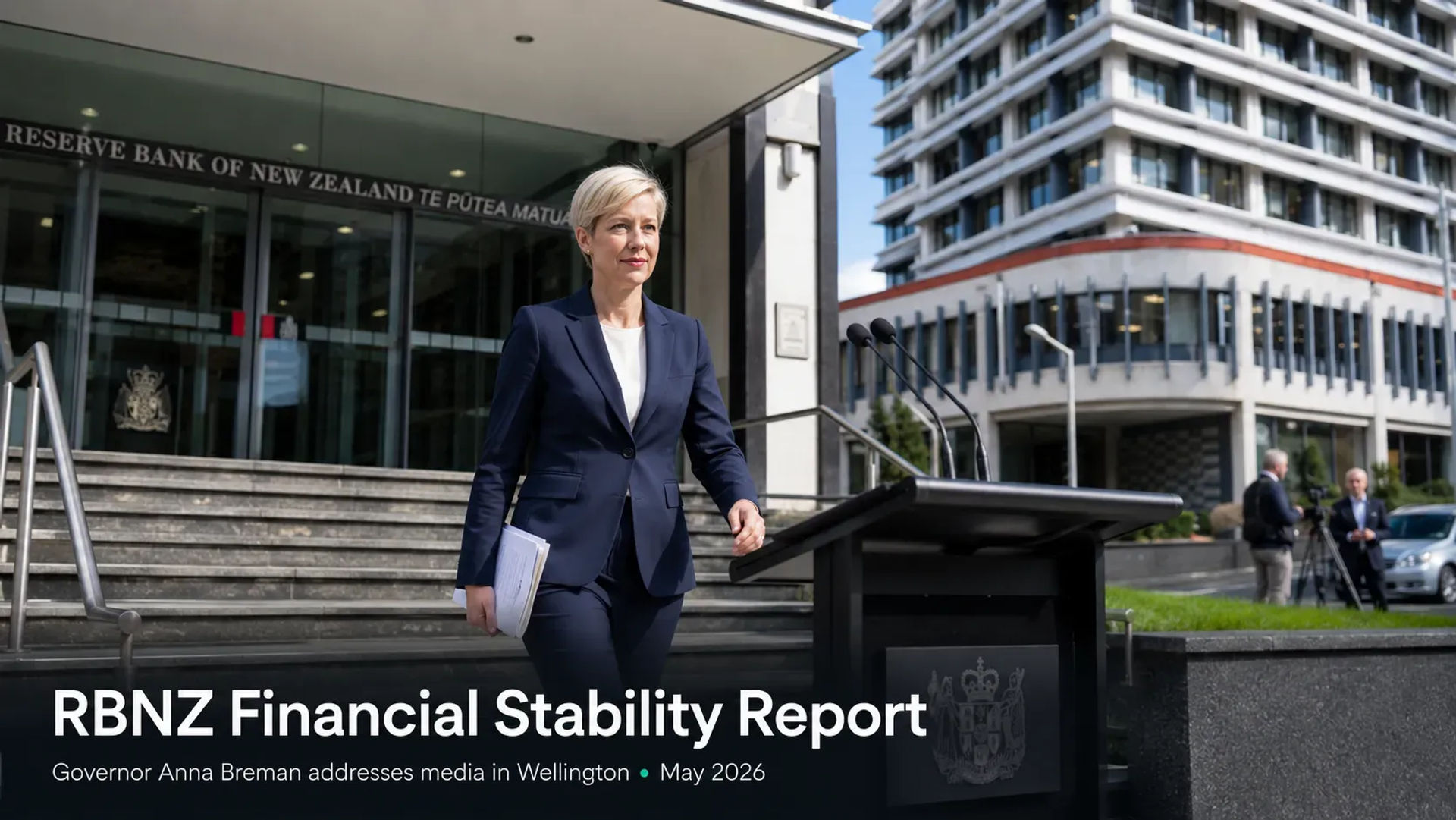
NZRBNZ Warns of Slower Recovery Amid Global Energy Disruptions
The RBNZ's May 2026 Financial Stability Report highlights a resilient financial system facing a slower recovery due to Middle East conflicts and 50-year high diesel prices.

Economy
NZNew Zealand Unemployment Rate Falls to 5.3% in First Quarter
New Zealand's unemployment rate fell to 5.3% in the first quarter of 2026, outperforming economist expectations of 5.4%. While employment rose by 0.2%, the participation rate saw a slight decline to 70.4%.

Business & Markets (ASX)
AUAustralian Shares Set for Positive Open Following Wall Street Records
ASX 200 futures indicate a higher open on Wednesday following record-high closes for the S&P 500 and Nasdaq. Easing oil prices and strong technology earnings from AMD and Palantir are driving global market optimism.

Banking & Finance
NZANZ New Zealand Ordered to Pay Estimated $125 Million Following High Court Class Action Loss
ANZ New Zealand faces a potential $125 million payout after the High Court ruled the bank breached the Credit Contracts and Consumer Finance Act. The judgment affects 17,000 customers following a coding error in loan variation letters between 2015 and 2016.
RBA & Rates
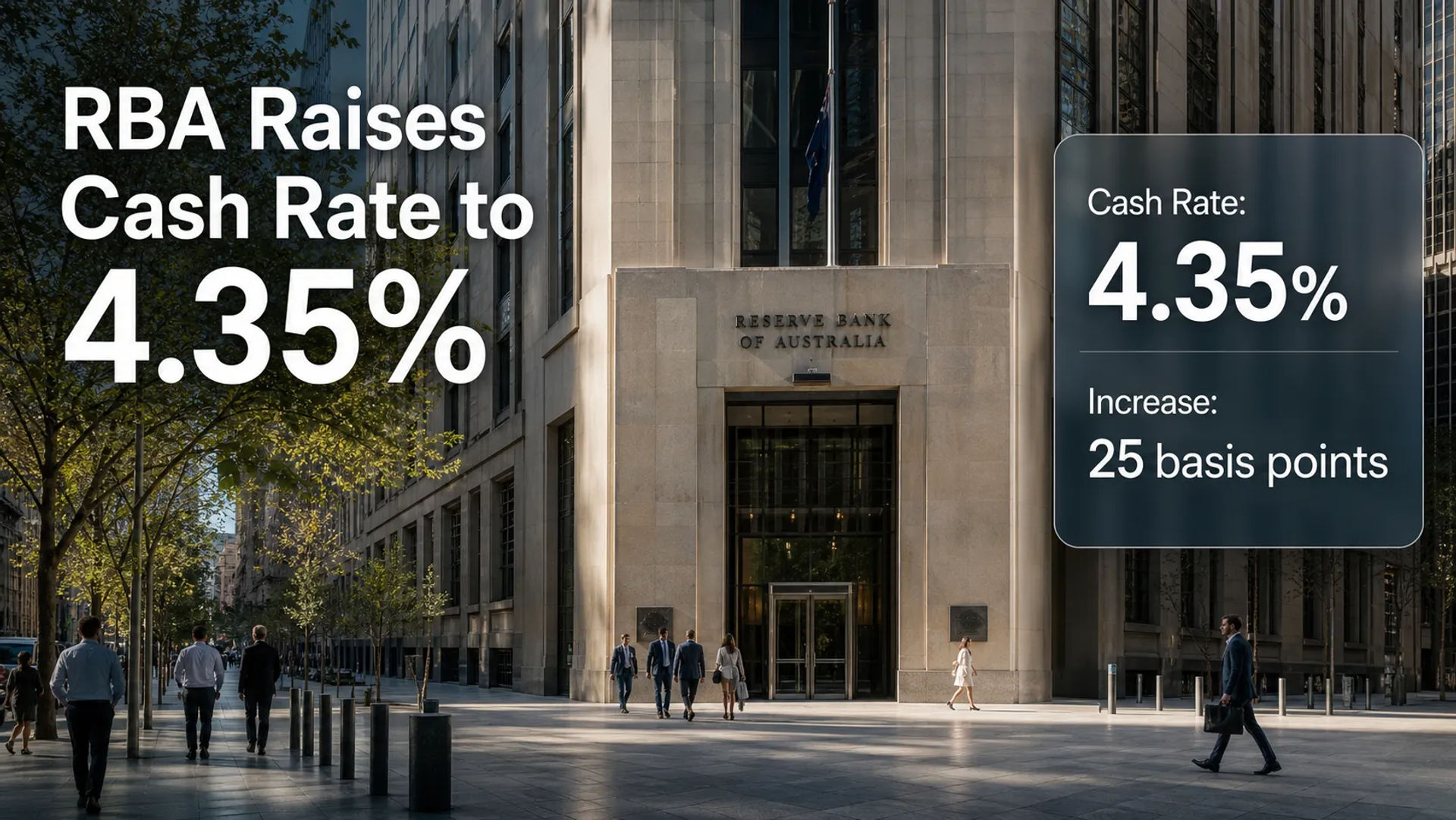
AUReserve Bank of Australia lifts cash rate to 4.35 per cent in third consecutive hike
The Reserve Bank of Australia has increased the cash rate to 4.35% on May 5, 2026, marking the third consecutive hike this year as the board moves to combat persistent inflation and rising fuel costs.

RBNZ & Rates
NZNew Zealand Labour Market Data Awaited as RBNZ Policy Outlook Looms
New Zealand's Q1 2026 employment data is set for release on May 6, with analysts forecasting an unemployment rate between 5.4% and 5.5%.
Banking & Finance
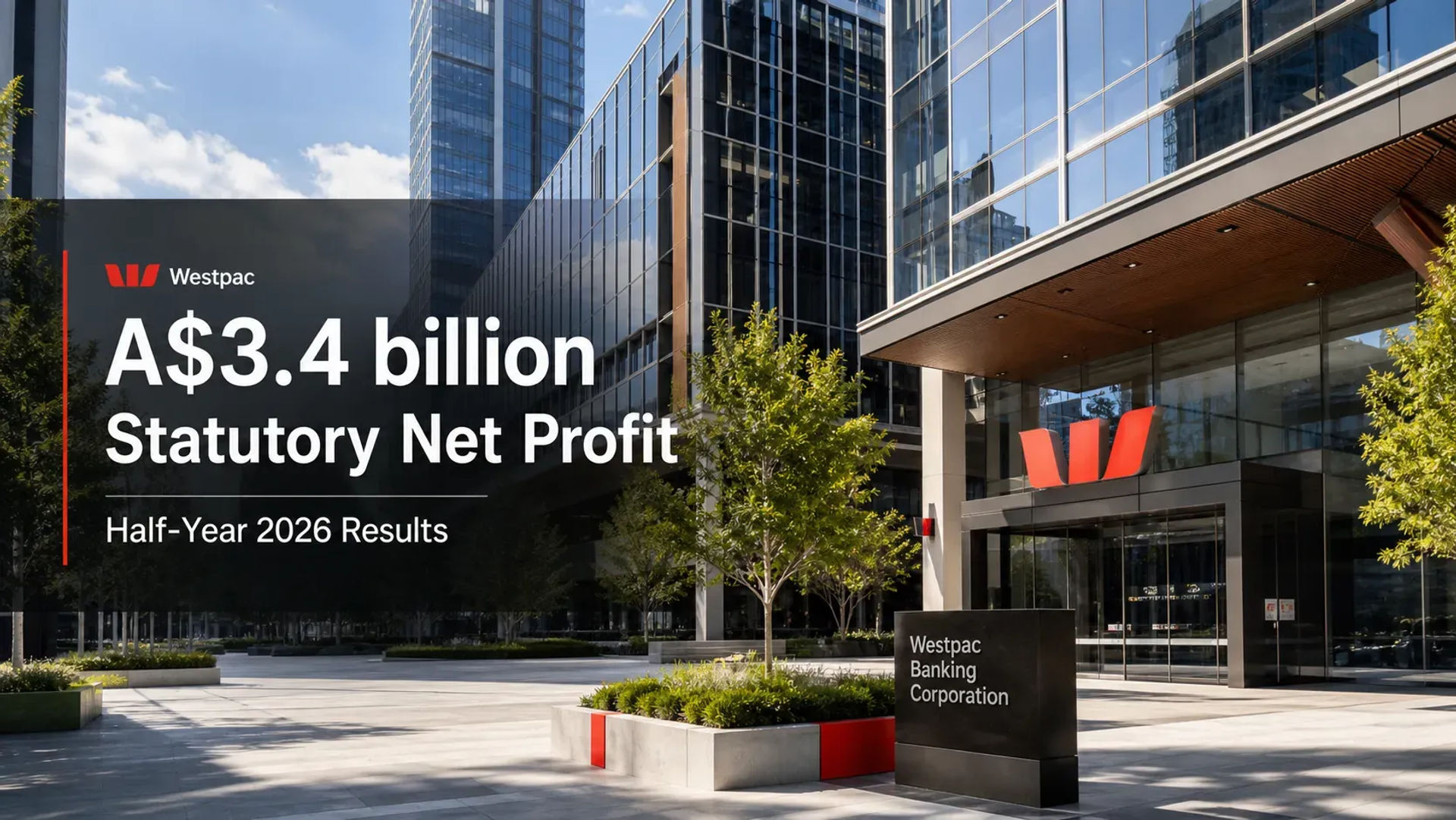
bothWestpac reports A$3.4 billion half-year profit amid margin pressure and NZX trading halts
Westpac Banking Corporation reported a statutory net profit of A$3.4 billion for the first half of 2026, as strong lending growth was offset by a decline in net interest margins to 1.89%.

Banking & Finance
NZBank of New Zealand Increases Fixed Housing Interest Rates Effective Today
Bank of New Zealand has increased its 18-month, two-year, and three-year fixed housing interest rates by 10 basis points, effective May 5, 2026. These adjustments come as the bank navigates rising wholesale costs and a 37.9% decrease in half-year statutory net profit.

Housing & Property
AUWestern Australia Announces Ban on No-Grounds Evictions in Major Rental Reform
The Cook Government has announced a ban on no-grounds evictions and an extension of the Rent Relief Program to June 2027 to address Western Australia's rental crisis.

Business & Markets (ASX)
AUQualitas Limited Reaffirms FY26 Guidance and Outlines $10.9 Billion Investment Strategy
Qualitas Limited has reaffirmed its FY26 profit guidance of $60 million to $66 million while reporting a significant increase in capital deployment. The company now manages $10.9 billion in committed funds, with a heavy focus on Australian commercial real estate private credit.
Housing & Property
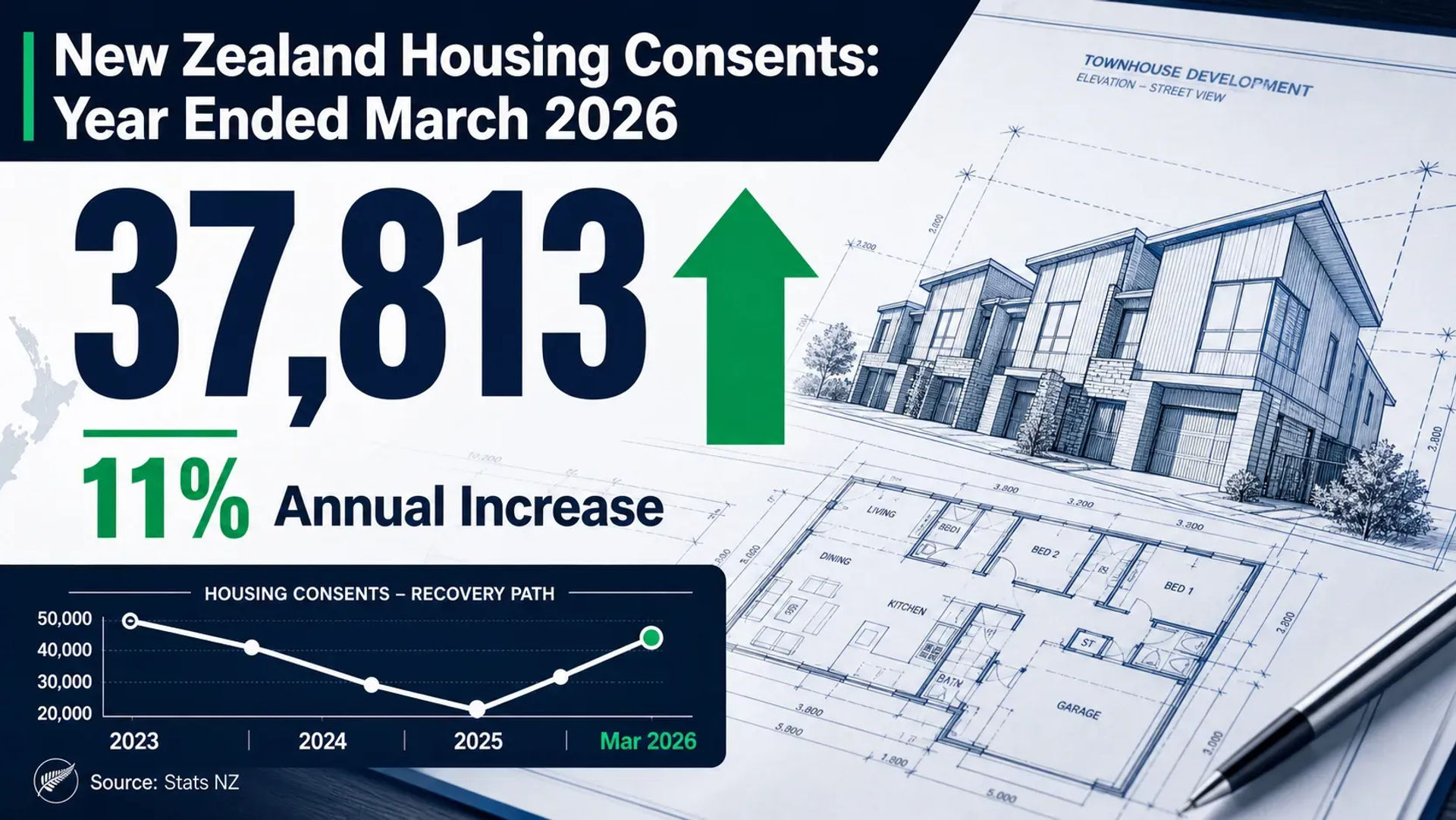
NZNew Zealand Housing Consents Record First Annual Increase in Three Years
New Zealand recorded 37,813 new home consents in the year to March 2026, an 11% increase that ends a three-year period of decline. While Auckland and Canterbury lead the recovery, economists warn that rising material costs and global supply chain disruptions could temper future growth.

Banking & Finance
AUNational Australia Bank Reports A$2.75 Billion Half-Year Profit Amid Software Charges and Economic Volatility
National Australia Bank has reported a 19.3% fall in statutory net profit to A$2.75 billion for the first half of 2026. The result was impacted by a A$949 million software capitalisation charge and a A$300 million increase in forward-looking credit provisions.

Banking & Finance
NZBank of New Zealand statutory net profit falls 37.9 per cent following software policy change
Bank of New Zealand has reported a statutory net profit of $494 million for the half-year ending March 31, 2026, a 37.9 per cent decrease driven by a $253 million software accounting adjustment.

Economy
NZKiwiSaver rate hike and fuel costs squeeze small business margins
New Zealand small businesses are facing a dual financial squeeze as KiwiSaver employer contributions rise to 3.5% alongside surging fuel costs. Recent data shows 17% of SMEs have less than a month of cash reserves, raising concerns about future hiring and wage growth.

Business & Markets (ASX)
AUTelix Pharmaceuticals Leads List of Most Shorted ASX Shares in May 2026
Telix Pharmaceuticals, Domino's Pizza, and Polynovo top the list of the most shorted shares on the ASX as of May 4, 2026, according to the latest ASIC data.

Housing & Property
NZAuckland Property Values Slip in April as National Market Records Third Monthly Gain
Auckland's median house price dipped 0.1% to just over $1.04 million in April 2026, contrasting with a 0.1% national increase. High inventory and looming OCR hikes continue to weigh on NZ's largest property market.

Consumer Finance
NZGen Z Leads New Zealand’s Retail Investment Surge Amid Economic Uncertainty
A surge in retail investing is being driven by New Zealand's Gen Z, with 30% starting in early adulthood compared to just 6% of Baby Boomers. Despite economic pressures and an 18% youth unemployment rate in Auckland, fintech platforms like Sharesies are empowering a new generation of Kiwis to take control of their financial futures.